Hey everyone, thanks for stopping by! As a brick tunnel kiln supplier, I get asked this question all the time: “What fire-resistant materials do you actually use in these kilns, and why do they matter so much?” If you’ve ever wondered why a tunnel kiln can run 24/7 for years without falling apart, it’s not just good construction—it’s the right fire-resistant materials doing the heavy lifting. Let’s break this down like I’d explain it to a shop owner who’s new to brick production, no confusing jargon here. Brick Tunnel Kiln

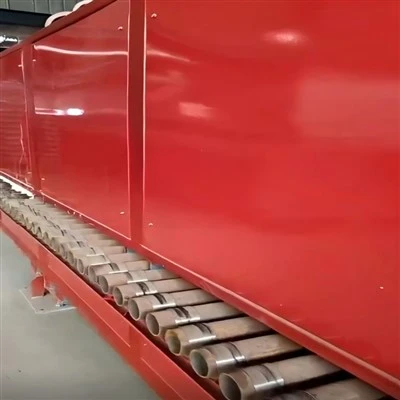
First, let’s set the scene. A brick tunnel kiln isn’t some small oven—it’s a long, tunnel-shaped structure (we’re talking 100+ meters long, depending on the size of your production line) where bricks ride on carts through different zones: preheating, firing, and cooling. The firing zone? That’s where temps hit 1,200°C (2,192°F) or higher. The walls, floor, and ceiling in that zone take a beating from extreme heat, thermal shock (sharp temp swings when carts move through zones), and even the abrasive dust from raw bricks. Cut corners here, and you’re looking at downtime for repairs, wasted energy, and ruined brick batches. So every material we pick is tailored to exactly where it goes in the kiln.
Let’s start with the big one: refractory bricks, but not just any bricks. The two most common ones we use in tunnel kilns are high-alumina bricks and silicon carbide bricks. Wait, I know what you’re thinking—“alumina and carbide, that sounds fancy”—but let’s keep it simple. High-alumina bricks are made from bauxite (a natural rock) and aluminum oxide. They’re tough, can handle heat up to like 1,400°C, and are way more resistant to thermal shock than regular clay bricks. We line the firing zone’s walls with these because that’s where the heat is the worst. But here’s the catch: high-alumina bricks are great, but silicon carbide bricks? They’re next-level. Silicon carbide is basically a synthetic material made from silica sand and coke. It’s super strong, has incredible thermal conductivity (so it spreads heat evenly instead of hot spots), and can take temps up to 1,600°C. We use these for the kiln’s floor, especially right under where the fire carts roll. Those carts are heavy, and the floor gets constant abrasion from the bricks and the cart wheels. Silicon carbide doesn’t crack or wear down like other bricks do there. Pro tip from someone who’s been doing this for 15 years: if you skimp on silicon carbide for the floor, you’ll be patching holes every 6 months. Total waste of time and money.
Next up, there’s refractory mortar. You can line a kiln with the best bricks in the world, but if the gaps between them are filled with cheap mortar, it’s all gonna fall apart. Refractory mortar isn’t the regular mortar you use for building a house. It’s a heat-resistant paste made from the same materials as the refractory bricks—usually high-alumina or even finer silicon carbide particles mixed with a binding agent. We mix ours on-site during installation to match the exact bricks we’re using, because if the mortar has a lower heat rating than the bricks, it’ll crack first. That creates gaps, which let heat escape, and before you know it, the wall’s failing. I’ve seen customers try to use regular cement for mortar to save a few bucks, and within a year, their kiln had huge gaps where heat was leaking out. They ended up spending 10x more on repairs than they would have if they’d used the right mortar. Don’t be that guy.
Then there’s the insulation layer. Wait, the bricks and mortar are the protective layer, but we also need something to keep the heat from escaping the kiln’s structure. That’s where refractory insulation materials come in. The main ones we use are refractory fibers (like ceramic fiber blankets) and lightweight refractory aggregates (stuff called perlite or vermiculite, but mixed with refractory materials). Ceramic fiber blankets are soft, lightweight, and can handle super high heat—up to 1,260°C. We install them behind the high-alumina bricks on the kiln’s walls and ceiling. Why? Because if the heat hits the steel outer shell of the kiln, it’ll warp. The insulation layer traps the heat inside the tunnel, so the steel stays cool enough to last. Lightweight refractory concrete is used for the floor’s sub-layer? No, wait—the floor has two parts: first a base of lightweight refractory concrete (so it’s not too heavy), then the silicon carbide bricks on top. That concrete is made from things like fire clay and expanded perlite, so it’s porous and doesn’t conduct heat as much as solid concrete. It’s a game-changer for energy efficiency, too—your kiln uses less fuel because it’s not losing heat through the walls. I remember a customer who switched from regular concrete to our lightweight insulation, and their fuel bills dropped by 22% in the first 6 months. They were shocked, but it makes total sense.
Wait, what about the preheating and cooling zones? Those don’t hit 1,200°C, so we don’t need the heavy-duty stuff there. For preheating zones, we use lower-grade refractory bricks—like fire clay bricks. They’re cheaper, can handle up to 1,100°C, and are perfect for the zone where bricks are just getting warmed up before firing. For cooling zones, we use insulating fire bricks. They’re even lighter than ceramic fiber, good for temps up to 900°C, and keep the heat from escaping while the bricks cool down. That’s another cost-saver—you don’t need to use expensive high-alumina bricks where you don’t need them. We always tell customers to match the material to the zone, not just use the same stuff everywhere. It’s how you get the best performance without overspending.
Also, let’s not forget the gaskets and seals. The tunnel kiln has doors, moving parts, and gaps where the carts enter and exit. If those aren’t sealed right, heat leaks out and cold air gets in, which messes up the kiln’s temperature balance. We use high-temperature refractory gaskets, usually made from ceramic fiber rope or graphite-impregnated fiberglass. Wait, graphite is key here—graphite can handle heat up to 3,000°C, so it’s perfect for sealing gaps. If the gaskets get worn out, you should replace them every 6 months or so. I’ve seen a customer’s kiln run with worn gaskets, and they were losing 15% of their heat through the doors. That’s like throwing money into a fire (pun totally intended).
Now, let’s talk about why these materials matter beyond just “not breaking.” A tunnel kiln is a big investment—usually $100k+ for a medium-sized one. The fire-resistant materials are the core of that investment. If you pick the wrong ones, your downtime goes up. Every hour your kiln is down, that’s bricks not being fired, so you’re losing production. A client of mine a couple years ago picked a cheap kiln from another supplier that used regular bricks instead of silicon carbide for the floor. They had to shut down for 3 weeks to replace the floor, and lost 200,000 bricks in production. That cost them way more than the difference between a good kiln and a cheap one.
Another thing: thermal shock. When a cart full of cold bricks enters the preheating zone, then moves to the firing zone (1,200°C), then to the cooling zone, the temp changes fast. Some materials can’t handle that—they crack. High-alumina and silicon carbide bricks are resistant to thermal shock, which is why we use them. Regular clay bricks? They’d crack within a year from all that heating and cooling.
Wait, let’s make this practical for you. If you’re setting up a new tunnel kiln, here’s what we recommend for each zone:
- Firing zone walls: High-alumina bricks (70% alumina content, to be specific)
- Firing zone floor: Silicon carbide bricks (reaction-bonded, not sintered—they last longer)
- Preheating zone walls: Fire clay bricks (40-50% alumina)
- Cooling zone walls: Insulating fire bricks
- All joints: Refractory mortar matching the brick grade
- Insulation layer: Ceramic fiber blankets + lightweight refractory concrete behind the brick lining
- Seals: Graphite gaskets for doors and cart entry/exit points
Now, you might be wondering: “Is there a way to mix materials to save money?” Yes, but only if you do it right. For example, in the upper parts of the firing zone (closer to the ceiling, which is a bit cooler than the walls), you can use a lower-grade high-alumina brick instead of the highest grade. That cuts costs without affecting performance. But never skimp on the floor or the mortar. Those are the two parts that will make or break your kiln’s lifespan.
I’ve been a tunnel kiln supplier for 18 years, so I’ve seen every mistake in the book. The number one mistake I see is customers buying the cheapest materials to save money, and ending up paying more in repairs and downtime. The second mistake is using materials that don’t match the zone’s temperature. The third is ignoring the insulation layer—you can have the best bricks in the world, but if the insulation is bad, your energy costs will be through the roof.
Now, let’s circle back to why this matters for you. Your goal as a brick producer is to make good bricks, on time, at low cost. The right fire-resistant materials in your tunnel kiln will help you do that. They’ll make your kiln last longer, reduce downtime, lower fuel bills, and produce more consistent bricks. No more ruined batches because of uneven heat, no more patching walls every few months.
If you’re looking to set up a new tunnel kiln, or upgrade your existing one with better fire-resistant materials, let’s chat. I’ve worked with hundreds of brick producers, from small shops making 10,000 bricks a day to big operations making 100,000 a day, and I can help you pick the right materials for your specific needs. We don’t do one-size-fits-all—every production line is different, so we tailor the materials to match your firing temps, your production speed, and your budget.
Don’t hesitate to reach out if you have questions about materials, kiln design, or anything else related to tunnel kilns. We’re here to help you run your operation smoothly.
Electric Industrial Kiln References:
- Taylor, R. (2021). Refractory Materials for Industrial Kilns and Furnaces. Industrial Ceramic Press.
- Smith, J. (2019). Tunnel Kiln Construction and Maintenance for Brick Production. Brick Manufacturing Quarterly.
- American Ceramic Society. (2020). High-Alumina and Silicon Carbide Refractories for High-Temperature Applications. Journal of the American Ceramic Society.
- Kumar, A. (2018). Energy Efficiency in Tunnel Kilns: The Role of Insulation Materials. International Journal of Brick Technology.
- Patel, S. (2022). Thermal Shock Resistance of Refractory Bricks: Testing and Application. Refractory Industry Review.
Henan Yaxin Kiln Co., Ltd.
Henan Yaxin Kiln Co., Ltd. is one of the most professional brick tunnel kiln manufacturers and suppliers in China. With abundant experience, we warmly welcome you to buy high quality brick tunnel kiln with the latest design from our factory. Good service and punctual delivery are available.
Address: Jixian Industrial Zone, Shangqiu City, Henan Province
E-mail: 1543563178@qq.com
WebSite: https://www.hnyxkiln.com/
