As a tower light supplier who’s spent the last 12 years troubleshooting and refining products for extreme job sites, I get asked this question at least once a week: Can tower lights hold up in high-humidity environments? The short answer isn’t a flat “yes” or “no”—it depends on how the tower light is engineered, tested, and installed. I’ve seen cheap, off-brand tower lights rust through in 6 months on coastal construction sites in Florida, and I’ve seen a well-built model run flawlessly for 8 years in the damp, salt-heavy air of a North Carolina shipyard. Today, I’m breaking down what makes a tower light work (or fail) in humidity, and what you should look for if you’re sourcing for a high-humidity job site. Tower Light
First, let’s define what “high humidity” actually means for tower light applications. Most of the world works with baseline relative humidity (RH) between 30-60%, but high-humidity environments are anything over 60% RH, and often much higher: coastal areas (where RH can hit 80-90% almost every day), tropical regions like Southeast Asia or the Caribbean, industrial sites with process moisture (food processing plants, pulp mills, wastewater treatment facilities), and even winter job sites in cold climates where condensation forms overnight as temperatures drop. Humidity alone isn’t the enemy—it’s what comes with it: salt air in coastal areas, chemical fumes in industrial zones, and extreme temperature swings that turn damp air into corrosive moisture that eats away at unprotected metal and circuitry.
Let’s start with the biggest failure point I’ve seen: unprotected steel frames. Tower lights’ masts and bases are almost always made of steel, right? Basic steel will rust when exposed to moisture and oxygen, and high humidity speeds that process up exponentially. Last year, a construction manager from a Florida Panhandle job site sent me photos of three brand-new tower lights with rust running down their masts just 4 months after delivery. The units had a cheap, thin powder coat finish that bubbled and flaked within weeks of being exposed to salt spray and 85% average RH. The rust didn’t just look ugly—it weakened the mast structure, too. That’s a safety hazard: if a mast rusts through, it can collapse while raising 1,000+ watt light fixtures 20 feet in the air.
So what’s the fix for steel components? Hot-dip galvanizing. This isn’t the same as the thin electroplated zinc coating you’ll find on budget tower lights. Hot-dip galvanizing involves submerging pre-cut steel parts in molten zinc, creating a thick, durable layer that bonds permanently to the steel. I’ve tested hot-dip galvanized masts in salt spray chambers for 1,000+ hours—way more than the 500 hours required for ISO 9227 salt spray testing—and the only discoloration I saw was a faint, uniform patina, no rust spots. We also add a second layer of industrial-grade polyurethane paint over the galvanized steel for extra protection against UV rays, which break down coatings faster in tropical regions. That combination is non-negotiable for any tower light meant for high humidity.
Next up: electrical components. This is the part that will fry a tower light faster than any rust, because moisture and electricity are a dangerous mix. Cheap tower lights use open wiring with no sealed enclosures, and basic circuit breakers that aren’t rated for damp environments. In 2021, a rental company in Puerto Rico called me in a panic after 12 tower lights stopped working mid-hurricane prep. The problem? Rain and high humidity had seeped into the open junction boxes, corroded the terminal connections, and shorted out the control panels. Even the LED bulbs had moisture inside their housings, which reduced their lifespan from 50,000 hours to less than 10,000.
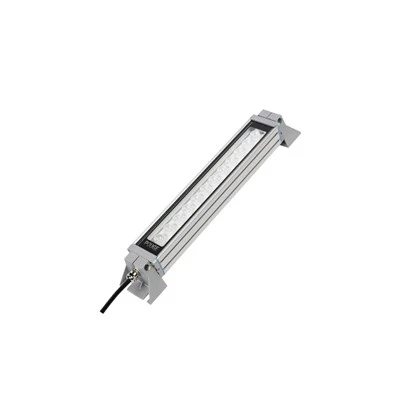
The key here is ingress protection (IP) ratings. For high-humidity environments, you need at least an IP65 rating for all electrical enclosures. Here’s what that means: the first number is dust protection, 6 means totally dust-tight. The second is water protection, 5 means protected against low-pressure water jets from any direction. That’s more than enough to keep out condensation, splashing water, and even light rain. We also use potted circuit boards—potting is a process where we encase the entire electrical board in a non-conductive epoxy, which seals out moisture completely. We test every single electrical assembly for 72 hours in a 95% RH, 85°F chamber before it leaves our warehouse; if any unit shows even a 1% drop in insulation resistance, it gets reworked. Another thing I always check for is sealed LED fixtures: avoid fixtures that have vents, because even a tiny vent can let in humidity that condenses inside over time. Our LED bulbs have solid, sealed housings with no external vents, and we add a desiccant pack inside each fixture to absorb any residual moisture during manufacturing.
Wait, but what about low-voltage tower lights? Some construction crews use 12V LED tower lights powered by generators, but does that make them safer in high humidity? Not necessarily. Even low voltage can cause a short if moisture gets on exposed terminals. We’ve seen 12V units fail just as quickly as 120V units in coastal areas because their junction boxes were unrated. Voltage doesn’t change the core issue: sealed enclosures and corrosion-resistant wiring. We use tinned copper wiring for all internal connections—tinned copper is coated in a thin layer of tin to prevent corrosion, which is way more durable than bare copper in humid, salt-heavy environments.
Another often-overlooked factor: operational settings. It’s not just the design of the tower light, it’s how you use it that affects its lifespan in high humidity. For example, if you leave a tower light parked in a muddy, low-lying area during a monsoon season, water can seep into the base housing even if it’s IP65. We always recommend that customers place tower lights on level, elevated ground, and occasionally remove the base cover to let any trapped moisture escape—especially after heavy rain or when RH is consistently above 80%. Also, if you’re using a tower light for an indoor high-humidity space, like a grain silo or food processing plant, you might want to add a vented desiccant cartridge that absorbs more moisture than the standard packs, since indoor humidity can linger longer without natural airflow.
I want to be clear: not all tower lights are built the same. I’ve heard of suppliers cutting corners on galvanizing or IP ratings to undercut the competition, and those units will fail in high humidity. Let me tell you a story about a client who learned that the hard way. A couple years ago, a large infrastructure company bought 20 budget tower lights from a non-specialized supplier for a job in Singapore, where average annual RH is 83%. Within 6 months, 17 of the units had rusted masts, corroded circuit boards, and dead LEDs. They tried to return them, but the supplier’s warranty didn’t cover corrosion from “environmental factors.” They ended up replacing them with our units, which have now run for 3 years with only routine maintenance: wiping down the masts once a quarter and checking the desiccant packs. The total cost for the 20 units, including warranty, ended up being 30% less than the repairs they would have done on the budget models.
So if you’re wondering whether a tower light will work in your high-humidity job site, here’s your checklist:
- Ask about the frame material: Is it hot-dip galvanized with a second polyurethane coating? Skip thin powder coat or unprotected steel.
- Check electrical enclosures: Are they IP65 rated, with potted circuit boards and tinned copper wiring? Avoid open junction boxes.
- Look at LED fixtures: Are they sealed, vent-free housings with desiccant packs? Skip fixtures with external vents.
- Plan for installation: Elevate units on level ground, and schedule periodic moisture checks, especially during peak humidity seasons.
I’ve spent decades testing tower lights in some of the harshest environments on the planet, and I can say with confidence that high humidity isn’t a death sentence for tower lights—it’s a test of engineering. The right design and maintenance will make a tower light last 10+ years in a coastal construction site, tropical mine, or wastewater treatment facility, while a cheap, untested model will die before its first major job.
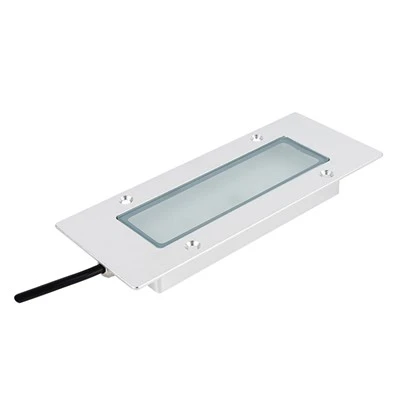
If you’re sourcing tower lights for a high-humidity job site and want to make sure you’re getting a unit that’s built to last, we’re here to help. We build every tower light with hot-dip galvanized frames, IP65-rated electrical enclosures, and vent-sealed LED fixtures, and we back every unit with a 5-year warranty that covers corrosion and moisture-related failures. We also offer custom testing for extreme environments, like 1,500 hours of salt spray testing, to match your exact job site conditions. Reach out to our team to discuss your requirements, and we can help you select the right tower light for your project.
LED Work Light References
ISO 9227:2017, Corrosion tests in artificial atmospheres – Salt spray tests
IEC 60529:2020, Degrees of protection provided by enclosures (IP Code)
International Association of Plumbing and Mechanical Officials (IAPMO), Corrosion Resistance Guidelines for Outdoor Electrical Equipment
American Society of Civil Engineers (ASCE), Performance of Steel Structures in Coastal Environments
Suzhou Pouge Lighting Electrical Appliance Co., Ltd.
As one of the most professional tower light manufacturers and suppliers in China, we also support customized service. Please feel free to wholesale advanced tower light made in China here and get quotation from our factory. For price consultation, contact us.
Address: Building 6-501, No.1330, Jinfeng South Road, Mudu Town, Wuzhong District, Suzhou City, China
E-mail: xduanlyy@126.com
WebSite: https://www.pouge-light.com/
