If you’re looking to set up or upgrade a manufacturing line for heat exchangers, HVAC parts, or automotive cooling systems, you’ve probably wondered: what exactly can a fin forming machine actually process? As a supplier of these machines, I get this question at least a dozen times a week, and it makes sense—you don’t want to drop tens of thousands of dollars on equipment that only works with one random metal (we’ve had a few customers learn that the hard way). Fin Forming Machine
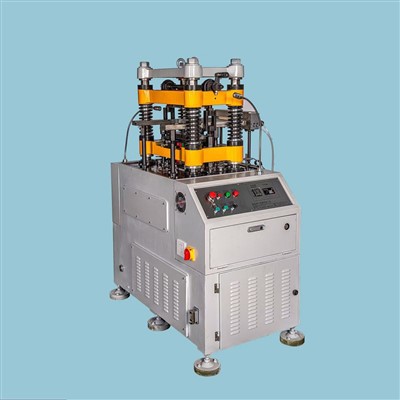
Let me break this down straight, no corporate fluff. First, I’ll cover the common materials, what makes them a good fit, the ones that’ll give you headaches if you pick the wrong setup, and even a few underrated materials that a lot of shops sleep on. By the end, you’ll know exactly what to ask for when you’re talking to a machine supplier.
First up: the workhorses, the materials almost every fin forming machine can handle without major mods. Aluminum is top of the list here. Why? It’s lightweight, has killer thermal conductivity, and is cheap compared to other metals—perfect for air conditioners, car radiators, and the fin stacks that keep servers cool. Now, not all aluminum is the same, though. Fin machines typically handle aluminum between 0.1mm and 0.5mm thick, which covers the 1xxx, 3xxx, and 8xxx series most people use. 1000-series is pure aluminum, super soft, great for fine fins with tight gaps (like the ones in residential AC units). 3003 aluminum is the workhorse for most commercial jobs—it’s a little stiffer, doesn’t tear as easily when you’re stamping those small louvered fins that boost heat transfer. 8011 aluminum is another common pick, often used for thin fins in evaporators because it’s highly formable. A quick pro tip: if you’re working with aluminum, make sure your machine has a good lubrication system—aluminum can gall (stick to tools) if you don’t have enough, and that’ll wreck your fin edges.
Next, copper. It’s been around forever for high-performance heat exchangers, especially in industrial HVAC or automotive charge air coolers where you need maximum heat transfer. Copper is a bit stiffer and thicker than aluminum, so most fin machines that handle copper run a slightly different roll setup—we usually spec ones with hardened steel rollers, since copper is more abrasive. The sweet spot for copper fins is 0.2mm to 0.8mm thick. Now, don’t go too thick—copper over 1mm is a nightmare to form without cracking, and you’re better off using a different process anyway. We’ve had a lot of clients switch from copper to aluminum lately because aluminum cuts weight by 50% or more, but copper still rules for jobs where you can’t compromise on thermal efficiency. One thing to note: copper doesn’t work well with louvered fins as thin as aluminum, so most copper fins we run are simpler corrugated designs.
Then there’s stainless steel. This one’s a bit tricky, but it’s super useful for harsh environments—like outdoor HVAC units, marine coolers, or medical equipment where corrosion resistance is non-negotiable. Stainless is way stiffer than aluminum or copper, so you need a machine with higher torque, stronger rollers, and a tension control system that won’t snap the metal mid-form. The most common stainless for fins is 304, sometimes 316 if you need extra corrosion protection, and thickness usually ranges from 0.15mm to 0.4mm. Don’t even think about running 400-series stainless here—those are ferritic and can work-harden too fast, leading to cracks. We always warn clients: if you’re doing stainless, expect a 10-15% increase in machine cost compared to aluminum-only setups, because the tooling has to be heavy-duty.
Now, what about the materials that aren’t metals? Wait, you didn’t think we only process metal, right? A lot of newer machines can handle composite materials too—specifically, thermally conductive polymers. These are big now for electric vehicle (EV) battery cooling systems, where you need lightweight, non-corrosive fins that don’t conduct electricity. The most common is carbon-filled polypropylene or nylon, with thermal conductivity of around 1-5 W/mK. The thickness here is 0.3mm to 1mm, which is a bit thicker than metal, so your machine’s roll gaps have to be adjusted accordingly. The key for polymers is heat—some machines add a gentle heating zone to soften the material a little before forming, so it doesn’t crack. We’ve seen a huge uptick in demand for polymer fin machines lately, especially from EV startups that don’t want to deal with metal corrosion and weight.
Wait, but there are materials that you should never try to run through a fin forming machine, no matter how “affordable” the setup sounds. Let’s get those out of the way. First, thick carbon steel—over 1mm, it’s way too hard, and you’ll snap rollers, break drives, and end up with bent fins that are useless. Then, super thin foils under 0.1mm, whether metal or polymer—they’re too flimsy, and the machine will tear them or leave uneven edges. Also, brittle materials like glass fiber composites—they’ll splinter, clog up the machine, and damage the tooling. A client once tried to run glass fiber fins through an aluminum-only machine, and they ended up replacing three rollers and a whole tension system—cost them more than a new machine would have, so never skip due diligence here.
Now, let’s talk about what makes a fin forming machine versatile enough to handle multiple materials. Not all machines are equal, obviously. The key features to look for are: adjustable roller pressure (so you can crank it up for stainless or dial it down for soft aluminum), interchangeable roll sets (aluminum rolls are different from stainless, so you don’t want to swap entire machines), a good lubrication system (for aluminum, stainless, and even some polymers), and tension control (critical for thin materials that want to stretch or break). We build our machines to handle all the common materials I listed, and we can customize it if you have a more niche material—just tell us what you’re working with.
Also, a lot of clients ask about specialty fins, like louvered vs. plain corrugated. Does that affect what materials you can use? A little. Louvered fins have small cutouts that help air flow, so they’re usually thinner (0.1-0.3mm) and work best with soft aluminum or copper. Corrugated fins are thicker, so they work with stainless steel or even thicker aluminum. If you need both, you just need a machine that can swap roll sets fast—our machines let you switch rolls in under 20 minutes, so you can run aluminum louvered fins one shift and stainless corrugated the next.
Let me wrap this up with a couple of real-world examples to make it concrete. Last quarter, we sold a machine to a HVAC shop that needed to switch between residential AC evaporators (using 0.15mm 3003 aluminum fins) and commercial refrigeration condensers (using 0.4mm 304 stainless fins). We customized it with hardened stainless steel rollers, adjustable tension, and a quick roll change feature—they’re now running three different materials on the same line, no issues. Another client, an EV startup, needed polymer fins for their battery packs; we added a mild heating module to their machine, and they can now process carbon-filled nylon fins without cracking or warping.
If you’re at the point where you’re ready to invest in a fin forming machine, don’t just go for the cheapest option that says “handles all materials”—ask specific questions: What material thickness and type do you currently use? Do you plan to expand to other materials down the line? Can I see samples of parts you’ve made with that machine? The last thing you want is a machine that works for your current job but leaves you stuck when a new project comes in.
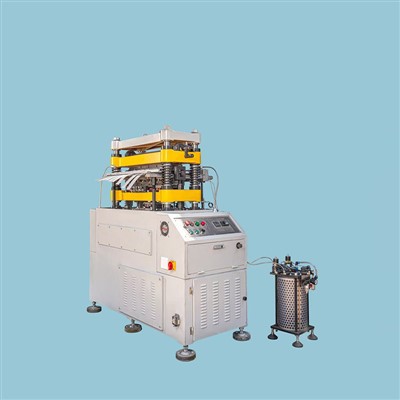
At the end of the day, a fin forming machine is only as good as the materials it can process, and getting that right saves you time, money, and headaches. If you have questions about your specific application, want to talk through material options, or need a machine customized for your needs, reach out to our team. We’re here to help you pick the right setup for your shop, no sales pitch, just straight talk.
Fin Forming Machine References:
- ASHRAE Handbook: HVAC Systems and Equipment, American Society of Heating, Refrigerating and Air-Conditioning Engineers, 2021.
- Metal Forming Handbook, Groover, M.P., Wiley, 2010.
- Thermally Conductive Polymers for Electronic Applications, Incropera, F.P., Springer, 2018.
- Fin Technology for Heat Exchangers, Kays, W.M. and London, A.L., McGraw-Hill, 2012.
Suichang Lvye Machinery Co., Ltd.
We are one of the most professional fin forming machine manufacturers in China, also support customized service with low price. We warmly welcome you to buy discount fin forming machine for sale here from our factory. If you have any enquiry about quotation, please feel free to email us.
Address: No. 402, Mudanting East Road, Miaogao Street, Suichang County, Lishui City, Zhejiang Province
E-mail: L528753@outlook.com
WebSite: https://www.suichanglvye.com/
