If you’ve ever changed a car door panel light, a vintage desk lamp, or a backlit appliance display, you’ve probably crossed paths with a T10 bulb. As someone who’s been a T10 bulb supplier for nearly a decade, I get asked more questions about these small, ubiquitous lights than almost any other product in our line. One of the most common (and most overlooked) questions? “How do I clean a T10 bulb without breaking it, damaging its electronics, or shortening its lifespan?” T10 Bulb
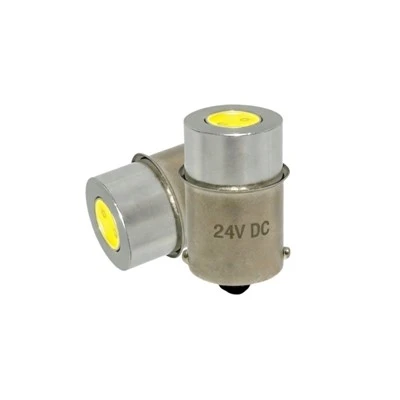
I used to brush this off—like, who cares if a little dust gets on a bulb? But then I started working with customers who run retail display cases, vintage audio repair shops, and commercial office building maintenance teams, and I saw firsthand how dirty T10s can kill performance. A dusty T10 LED behind a store’s product sign can cut light output by 15% or more after just six months. A grimy incandescent T10 in a car’s dashboard can make gauges hard to read at night, creating a safety issue. And a dirty T10 bulb’s heat can build up unevenly, warping the filament (for incandescents) or stressing the LED die inside, leading to premature failure.
The key here is simple: T10 bulbs are small, have delicate parts, and respond really badly to harsh cleaning methods. A lot of people grab a paper towel and Windex and scrub away, but that’s a fast track to a broken bulb or a short circuit. Over the years, I’ve tested dozens of cleaning methods with our inventory—from low-cost T10s for residential use to heavy-duty T10s for commercial applications—and I’ve narrowed down a step-by-step process that works for every type of T10 bulb: incandescent, LED, and even the rare halogen T10s you’ll find in old appliances.
First, let’s start with the basics: what you’ll need. You don’t need any fancy tools, but you do need the right stuff to avoid damage. Skip the abrasive sponges, glass cleaners with ammonia, and paper towels (they leave lint and tiny scratches on the glass, and the paper can get stuck in the bulb’s base). Here’s what works:
- Isopropyl alcohol with a 70% to 90% concentration. Lower concentrations have too much water, which can get trapped in the bulb’s base and corrode contacts. Higher concentrations can evaporate too fast and leave residue, so 91% is the sweet spot for most jobs.
- Lint-free microfiber cloths (the kind you use for eyeglasses or camera lenses work perfectly—no fuzzy cotton here).
- A can of compressed air (the same type used for cleaning keyboards; avoid the duster that sprays liquid propellant, as that can damage electronics).
- A pair of nitrile gloves, not latex or cotton. Latex leaves oils that can transfer to the bulb, and cotton can snag the delicate glass on small T10s.
Now, the step-by-step process. I’ve found that rushing this is when mistakes happen—especially with T10s, which are often the size of a large marble.
- Turn off the power completely. This is non-negotiable. Whether you’re cleaning a bulb in a table lamp or a car’s interior light, disconnect the power source. For hardwired fixtures, turn off the circuit breaker. For portable devices, unplug them. Not only does this prevent electric shock, but it also gives the bulb time to cool down. T10 bulbs get hot—incandescents can reach 200°F (93°C) when on, and even LEDs can hit 120°F (49°C) after hours of use. Cleaning a hot bulb can cause the glass to crack from thermal shock. I learned this the hard way my first year in business: I tried to clean a T10 bulb from a vintage fan that had just been running, and the glass shattered all over my workbench. Don’t make that mistake.
- Remove the bulb carefully. T10 bulbs are usually push-in twist-style or bayonet mount, so pull gently and turn 1/4 to 1/2 turn to release it. Don’t yank it—if it’s stuck, wiggle it side to side slowly to loosen it. Set it on a soft surface (like a microfiber towel) so it doesn’t roll and get knocked off the workbench.
- Blow off loose dirt first. This is the most important step, and the one most people skip. If you go straight to wiping, you’re grinding dirt, dust, and tiny debris into the glass, creating scratches. Hold the can of compressed air 6 to 8 inches away from the bulb, and use short, even bursts to blow off all surface dust. If you hold the can too close, you can blow air into the bulb’s base, which can damage internal connections or for incandescents, blow the filament out.
- Wipe the glass gently. Dampen a corner of your lint-free microfiber cloth with a tiny amount of isopropyl alcohol—you only need a drop, not a pool. Wring out the cloth so it’s almost dry (if it’s dripping, you’re using too much). Then, wipe the glass in a circular motion, using light pressure. For stubborn grime (like fingerprints on a T10 behind a display sign), you can add another tiny drop of alcohol, but don’t overdo it. Never submerge a T10 bulb in liquid—water can get into the base, corroding the metal contacts, and for LED bulbs, it can seep into the heat sink or circuit board and cause a short.
- Dry immediately and thoroughly. Take a clean, dry corner of your microfiber cloth and wipe the glass again to remove any leftover alcohol. Then, set the bulb on the soft surface for 5 to 10 minutes to air dry—this ensures no moisture is trapped in the base or crevices.
- Reinstall carefully. Once the bulb is completely dry, push it into the socket and twist gently to secure it. Turn the power back on, and check that it lights up. If it doesn’t, double-check that it’s properly seated, and if it still doesn’t work, it’s likely the bulb was damaged during cleaning (our quality control team will replace those for free if it’s still within our 1-year warranty, by the way).
Now, a few critical tips that I’ve picked up from years of working with T10 bulbs, especially for different types:
- For LED T10 bulbs: LEDs are more sensitive to moisture and harsh chemicals than incandescents or halogens. Never use any cleaner other than isopropyl alcohol on LED T10s. Avoid touching the LED chip inside the bulb (it’s the small, tiny square at the center) with your fingers—oil from your skin can damage it, leading to uneven light output or premature failure. If you accidentally touch the chip, you can wipe it gently with a barely damp alcohol cloth, but it’s better to use gloves to avoid contact in the first place.
- For incandescent and halogen T10 bulbs: These have a fragile filament inside. Don’t apply too much pressure when wiping the glass—if the bulb bends or twists, you can break the filament. Also, for halogen T10s, avoid any cleaning method that leaves lint or residue on the glass, because when a halogen bulb heats up, that residue can bake onto the glass, causing hot spots that shorten its lifespan.
- For T10 bulbs in hard-to-reach places: If you’re cleaning a bulb in a high display case or a car’s dashboard that you can’t easily remove, use a cotton swab (q-tip) dipped in a tiny bit of isopropyl alcohol. Just make sure the cotton swab is only slightly damp, and don’t push it too hard against the glass. Gently twist it to clean small spots without scratching.
I also get asked all the time how often you should clean T10 bulbs. It depends on where they’re installed. Bulbs in retail display cases (especially those near food or dust-prone areas) should be cleaned every 3 to 6 months. Bulbs in residential fixtures, like desk lamps or bedside lights, can go 12 to 18 months. Commercial office lighting, which runs 8 to 10 hours a day, should be checked quarterly—if the light looks dim, that’s a sign dust has built up, so it’s time to clean.
Over the years, I’ve seen so many people waste money on premature T10 bulb replacements because they cleaned them wrong. One regular customer of ours runs a chain of 12 hardware stores, and before working with us, he was replacing 20% of his display case T10s every three months due to dirty bulbs causing early failure. After sharing this cleaning process with him, he cut that replacement rate down to less than 3%—that’s a huge savings for his business, and he’s been ordering our commercial-grade T10 bulbs ever since.
If you’re dealing with a lot of T10 bulbs (whether for a retail space, vintage repair, or home use), having the right bulbs in the first place makes a big difference. Our T10 bulbs are designed with a scratch-resistant glass coating that repels dust, so they stay cleaner longer, and our LED T10s have a sealed base that prevents moisture from getting in, which makes cleaning even easier.
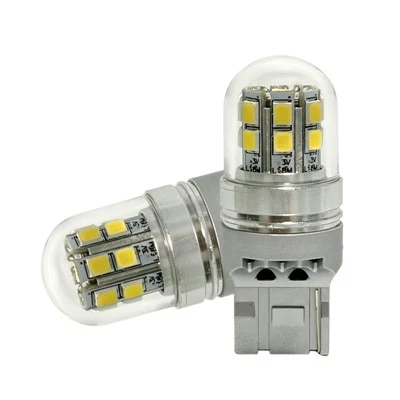
Whether you’re a home owner who needs to clean a bulb in a vintage radio, a maintenance manager for a retail chain, or a hobbyist fixing up a classic car, cleaning a T10 bulb doesn’t have to be complicated. The key is to take your time, avoid harsh chemicals and abrasive tools, and make sure power is off before you start.
BA9S Bulb If you need high-quality T10 bulbs for any application—residential, commercial, automotive, or vintage—we have options for every budget and use case. Our team can help you pick the right bulb, answer any questions about cleaning or maintenance, and work with your schedule to get orders fulfilled quickly. To discuss your T10 bulb needs and place an order, please reach out to our sales team to start a conversation about what will work best for your project.
References
- Lighting Science Group. (2021). "LED Bulb Maintenance and Care Guidelines."
- Society of Automotive Engineers (SAE). (2020). "Automotive Interior Light Bulb Care and Performance Standards."
- International Electrotechnical Commission (IEC). (2019). "Cleaning Methods for Low-Voltage Light Bulbs."
- Vintage Radio Repair Society. (2022). "T10 Bulb Care for Antique Electronics."
- U.S. Department of Energy. (2021). "Energy Efficient Lighting Maintenance for Commercial Spaces."
BULBPLAN Co., Ltd.
As one of the most professional t10 bulb manufacturers and suppliers in China, our products have good reputation in the market. Please feel free to wholesale cheap t10 bulb for sale here and get pricelist from our factory. Quality products and reasonable price are available.
Address: No. 86 Zhongli Road, Nancheng Street, Dongguan City, Guangdong Province
E-mail: Alex@bulbplan.com
WebSite: https://www.nicebulbs.com/
