When I first started working with oriented strand board (OSB) more than 18 years ago, I’ll admit I was convinced it was the perfect solution for almost every building project. Back then, the industry was buzzing about how this engineered wood product could outperform traditional plywood in cost, consistency, and sustainability—less waste from manufacturing, more uniform strength across large panels, easier to source in bulk. For a while, that hype held true. But over the decades, as I’ve fielded calls from frustrated contractors, builders, and even homeowners who’ve encountered issues with OSB on job sites, I’ve learned to approach it with a much more balanced perspective. As someone who’s supplied OSB to projects of all sizes, from backyard sheds to multi-family housing complexes, I’ve seen firsthand that OSB isn’t without significant downsides—many of which aren’t widely advertised, especially to first-time builders who might not know what to look for. OSB

Let’s start with the most talked-about (and most damaging) drawback: OSB’s vulnerability to moisture. Unlike plywood, which uses thin wood veneers glued in alternating directions, OSB is made of large wood strands pressed and bonded together with waterproof adhesive—well, that’s the marketing line anyway. In reality, the adhesive is only designed to resist light moisture, not the prolonged exposure that comes with a leaky roof, a burst pipe, or even just high humidity in unventilated spaces. I once had a general contractor call me in a panic three weeks after installing OSB subfloors in a new addition; a sudden rainstorm had left the windows open, and the entire stack of panels had absorbed enough water that they swelled up so badly they couldn’t fit between the floor joists. What many people don’t realize is that that swelling isn’t just a minor inconvenience. When OSB strands soak up moisture, they expand unevenly—cross-directional strands expand differently than lengthwise strands—leading to warping, buckling, and gaps between panels. And even if the moisture dries out, that warping is often permanent. Worse, prolonged moisture exposure breaks down the adhesive bond between strands, creating gaps where mold and mildew can take root. I’ve walked through job sites where builders tried to save money by skipping a vapor barrier under OSB subfloors in basements, only to pull up the panels six months later and find soft, black mold growing inside. That’s not just a cosmetic issue; mold can cause respiratory problems, and it’s a nightmare to remediate—far more expensive than just using a more moisture-resistant product from the start.
Durability is another area where OSB falls short, especially when compared to plywood or solid lumber. While it’s strong along the length of the strands, its cross-directional strength is far lower than most people expect. That means if you’re using OSB wall sheathing, for example, it can split or crack if you apply uneven pressure, like when you’re fastening it with nails or screws that aren’t driven straight. I’ve had builders tell me that OSB sheathing often cracks during installation, especially on jobs where workers are in a hurry or use the wrong fasteners. Plywood, by contrast, is much more resistant to that kind of stress because its veneer layers distribute pressure more evenly. There’s also the issue of edge stability. OSB’s cut edges are extremely porous—unlike plywood, which has a solid veneer edge that’s sealed during manufacturing. When you cut OSB on a job site, you’re exposing the raw wood strands, which are even more susceptible to moisture and pests than the panels themselves. That’s why so many OSB installation guides warn you to seal all cut edges with a waterproof paint or sealant, but in my experience, half the contractors and DIYers I work with skip that step. The result is edges that swell, warp, or attract termites and carpenter ants far faster than sealed wood products. I’ve seen OSB edge damage become a major problem in a little as two years on exterior walls that weren’t properly sealed, leading to costly repairs that could have been avoided with a bit of extra work.
Then there’s the performance issue when it comes to high-temperature or fire exposure. OSB is a wood-based product, so it’s combustible, but it’s also treated with a special adhesive that can release toxic fumes when burned. Unlike some plywood products that use more fire-resistant adhesives or treatments, most standard OSB doesn’t meet the same fire code requirements for certain types of construction. For mid-rise buildings or projects that require enhanced fire resistance, OSB often has to be paired with additional fireproofing materials, which negates much of its cost advantage. I once supplied a large apartment complex project where the architect specified OSB for wall sheathing, only to have the building inspector reject it because it didn’t meet local fire codes. The contractor had to rip out half the OSB and replace it with fire-rated plywood, which added almost 20% to the cost of that section—an expense no one had anticipated. Even for smaller projects, like exterior siding, OSB’s flammability means you have to use a separate fire-retardant coating, which is another step and another cost that isn’t factored into initial budget estimates.
There’s also a less obvious downside that affects both installation and long-term quality: consistency and quality control in manufacturing. While OSB is marketed as a uniform product, in reality, the quality can vary wildly between manufacturers and even between batches from the same facility. I’ve had customers tell me they received OSB panels from one order that were much thinner than advertised, or had strands that were poorly bonded, leading to panels that fell apart when handled. Plywood, by contrast, has a longer manufacturing history and more standardized quality control processes, so you’re far less likely to get a bad batch. Another issue is that some manufacturers use lower-quality wood scraps or even recycled wood in OSB, which can introduce inconsistencies in strength and durability. In recent years, as demand for OSB has skyrocketed, some producers have cut corners on manufacturing to keep up, leading to more reports of defective panels. For builders, that means extra time spent inspecting every panel for defects, and the risk of having to return bad shipments, which can delay project timelines.
Let’s not forget about sustainability, too—something that OSB is often praised for, but with caveats. While it does use smaller wood strands and less wood per panel than plywood, many OSB manufacturers use formaldehyde-based adhesives, which can off-gas volatile organic compounds (VOCs) for years after installation. That’s a big concern for indoor projects, like subfloors in homes, where off-gassing can trigger allergies, asthma, and other respiratory issues. The Environmental Protection Agency has set limits on formaldehyde emissions from wood products, but not all OSB meets those strict standards. I’ve had homeowners call me complaining that their new home smelled strongly of chemical fumes, only to find out that the OSB subfloors and wall sheathing were emitting high levels of formaldehyde. In some cases, that required replacing the OSB, which was a huge expense. There are low-VOC OSB options on the market, but they’re more expensive, and many suppliers don’t stock them regularly—another hidden disadvantage for anyone wanting a more eco-friendly product.
Wait, and I can’t mention OSB’s disadvantages without talking about its performance in structural applications over time. While OSB is fine for temporary structures or projects with short lifespans, it doesn’t hold up as well as solid wood or plywood in long-term structural roles. For example, OSB floor joists or roof sheathing that’s exposed to regular temperature fluctuations and moisture will degrade faster than solid lumber. I’ve seen 10-year-old sheds with OSB roofs that had to be completely replaced, while neighboring sheds with plywood roofs from the same time period were still in good shape. The reason is that wood strands in OSB are more prone to splitting and delaminating over time, especially when exposed to the elements. For commercial buildings that need a 20+ year lifespan, OSB often isn’t worth the risk of premature structural failure.
As an OSB supplier, I want to be transparent about these downsides because I don’t want customers to come to me thinking OSB is a one-size-fits-all solution. A lot of the time, OSB is still the right choice—for interior partitions, temporary forms, or low-stakes projects where moisture and long-term durability aren’t major concerns. But it’s critical to understand its limitations before making a purchase. If you’re working on a project that will be exposed to moisture (like a basement subfloor, exterior wall, or roof), if you need fire resistance, if you’re working on a long-term structural build, or if you’re prioritizing low-VOC materials, OSB might not be the best fit.
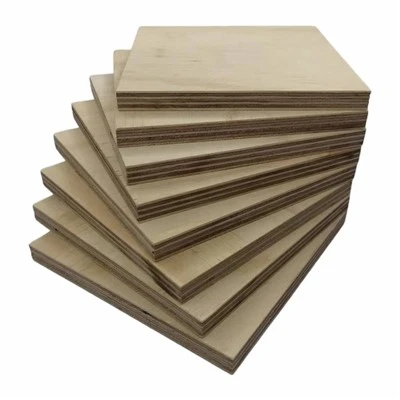
The key is to weigh the pros and cons. OSB is cheap, lightweight, easy to work with, and readily available, which makes it appealing for many projects. But those benefits come with real risks that can end up costing you more in the long run—whether that’s in repairs, replacements, compliance issues, or health concerns from VOCs. If you’re not sure whether OSB is right for your specific project, I’m here to talk through your options, help you assess your needs, and find the product that works best for you. Whether you’re a small builder working on a residential renovation or a large contractor managing a commercial development, I can provide samples, answer your questions, and help you make an informed decision. Don’t let the marketing hype push you into a product that might not live up to your expectations—reach out to discuss your project needs today.
F22 Film Faced Plywood References
- Forest Products Laboratory. (2010). Engineered Wood Products for Construction. U.S. Department of Agriculture.
- American Wood Council. (2022). Technical Guide to Oriented Strand Board.
- Environmental Protection Agency. (2018). Formaldehyde Emissions from Wood Products.
- National Association of Home Builders. (2021). Building Materials Performance Guide: Engineered Wood Panels.
- International Code Council. (2020). Fire Resistance Requirements for Building Sheathing Materials.
Shandong Rogge Wood Industry Co., Ltd.
As one of the most professional osb manufacturers in China, we also support customized service. We warmly welcome you to buy bulk premium osb from our factory. If you have any enquiry about cooperation, please feel free to email us.
Address: No.1 Road, Jinyang Village, Huyang Town, Felxlan County, Linyi City, Shandong China.
E-mail: sales@roggewood.com
WebSite: https://www.roggewood.com/
