If you’ve ever relied on I Style Gates for residential or commercial access, you know these aren’t just metal barriers—they’re the first line of defense for your property. As someone who’s supplied, installed, and troubleshooted I Style Gates for over a decade, I’ve seen firsthand how a little consistent care can extend a gate’s lifespan by 15+ years, eliminate costly emergency repairs, and keep it operating smoothly through rain, snow, and scorching summers. Too often, owners treat these gates like set-it-and-forget-it investments, only reaching out when a hinge seizes or the opener cuts out. Today, I’m breaking down the science-backed, practical steps to maintain your I Style Gates properly—no fancy tools or professional certifications required. I Style Gates

First, let’s ground this in what makes I Style Gates different. Unlike basic swing gates with flat panels, I Style Gates feature interlocking diagonal slats, reinforced frame bracing, and often integrated automation for commercial properties. That design means maintenance needs to target two key areas: the structural metal components (the frame and slats) that give the gate its strength, and the moving parts (hinges, rollers, openers) that let it swing seamlessly. Skipping either will lead to issues that snowball fast. For example, a rusted hinge might twist the gate’s frame over time, throwing the slats out of alignment so the opener strains to lift it—leading to a motor replacement that costs 10x more than fixing the hinge proactively.
The first monthly task I swear by is a visual and physical inspection, and it’s the most overlooked step by new owners. I tell every customer to block off 10 minutes at the start of each month to walk the perimeter of the gate and test each function. Start with the structural check: run a gloved hand along every slat and the inner frame. If you feel rough patches or tiny rust spots, don’t wait—corrosion on steel (the most common material for I Style Gates) spreads 2-3 times faster when left untreated, especially in areas with high humidity or road salt exposure. Next, test the swing: open and close the gate manually (disconnect the automation first, never test powered gates without disabling the motor) and listen for grinding, squeaking, or resistance. If it sticks mid-swing, that’s a sign the hinge pin or roller assembly is dry, not broken. For automated gates, test the photo eyes (the safety sensors that stop the gate if something crosses its path) by holding a cardboard box in front of them—if the gate doesn’t reverse, the eyes are misaligned, a quick fix that prevents accidents. One customer last year skipped this step for 8 months, and his gate got stuck mid-swing during a rainstorm, leaving his loading bay unprotected for two days. That’s a mistake no one wants to make.
Next, quarterly deep cleaning and lubrication—this is where most owners mess up by using the wrong products. I’ve seen people use WD-40 as a lubricant, but it’s a solvent that breaks down rubber seals and plastic components over time, leading to opener failure. Instead, stick to a white lithium grease for metal moving parts and a silicone-based lubricant for any rubber or plastic elements. For cleaning, use a mild dish soap and water solution, not pressure washers. Wait, I know—pressure washers are fast, but the high pressure can force water into the hinge pins, opener motor, or photo eye wiring, leading to rust or electrical damage. For slats, use a soft-bristle brush to scrub off dirt, bird droppings, or leaf debris, which can trap moisture and cause rust spots. If you’re in a coastal area, add a quarter cup of white vinegar to the cleaning solution to cut through salt deposits, which are extremely corrosive to steel. After cleaning, always dry the frame and slats with a microfiber towel—standing water on metal is the number one cause of premature rust.
Lubrication timing depends on your location, but as a rule, do it every 3 months. For swing gates, focus on the hinge pins, roller brackets, and any pivot points. For sliding I Style Gates (less common but popular for wide driveway access), lubricate the track and the bottom roller wheels. Remember to wipe off any excess grease after application—excess lubricant will attract dirt and debris, which act like sandpaper on the moving parts, causing more wear than if you’d skipped the lubrication entirely. For automated gate openers, check the manufacturer’s guide to lubricate the motor’s gear assembly—most modern openers only need a small amount of grease once a year, not every quarter.
The big one that even regular owners forget: seasonal maintenance. Gates are exposed to extreme temperatures, so adjusting your routine for each season prevents weather-related damage. In winter, if you live in a cold climate, clear snow and ice from the gate’s path within 24 hours of a storm. Ice buildup can freeze the hinge pins solid, or weigh down the gate so the opener can’t lift it, leading to motor burnout. Never pour hot water on frozen hinges—sudden temperature changes can crack metal or warp the slats. Instead, use a de-icer (the calcium chloride type, not salt, which is corrosive) or a plastic scraper to gently remove ice. In summer, check for loose bolts and screws—high heat expands metal, and repeated expansion and contraction can loosen fasteners over time. Tighten any bolts on the frame, hinges, and opener mount, but don’t overtighten, which can strip threads or crack the frame. If you’re in a dusty area, blow out debris from the track and photo eyes with a can of compressed air once a month to keep sensors working.
Another common mistake: ignoring minor damage. That tiny scratch on the slat? It’s not just a cosmetic issue—it’s a break in the protective paint or powder coating that’s supposed to keep rust out. I keep a touch-up paint kit in stock for all my customers, and I recommend applying it within 48 hours of noticing a scratch. Sand the area lightly with 220-grit sandpaper, wipe it clean, and apply a thin coat of matching paint—don’t thick layer, which can chip off easily. For bigger dents or bent slats, don’t try to bend them back yourself—this can crack the frame’s welds or throw the gate’s alignment off, leading to premature wear on the opener. Call a professional to repair or replace slats when they’re damaged, because misaligned slats can also compromise the gate’s security—one of the main reasons owners choose I Style Gates in the first place.
Wait, what about commercial I Style Gates? For businesses with high-traffic driveways, the maintenance routine needs to be a little more frequent. I suggest doubling the quarterly lubrication to every 6 weeks, and adding a monthly check of the gate’s load capacity. Commercial gates often have heavier motors, but over time, the frame can bend under repeated use, especially if trucks or large vehicles are passing through. Inspect the mounting brackets on the wall or post—if they’re wobbly, tighten the bolts or add reinforcing brackets to prevent the gate from shifting. Also, commercial gates require annual inspections by a professional to test the opener’s safety features and check for hidden rust inside the frame, which you can’t see from the outside.
I’ve had customers who call me panicking because their gate stopped working, only to find it was a tiny, fixable issue—like a clogged photo eye or a dry hinge. That’s why consistent maintenance pays off. It’s not just about keeping the gate looking good; it’s about ensuring it functions reliably when you need it most. A well-maintained I Style Gate will not only protect your property, but it will also hold its value if you ever decide to sell your home or business.
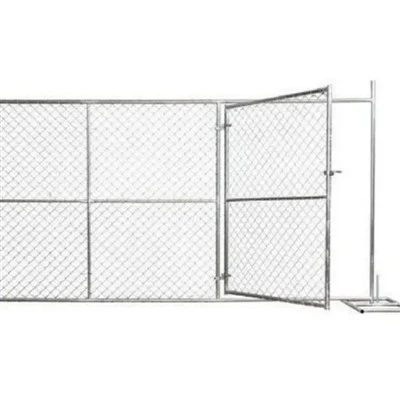
Now, if you’re looking to upgrade your current I Style Gates or need a professional inspection to confirm your maintenance routine is on track, feel free to reach out to discuss your specific needs. Whether you’re a residential homeowner or a commercial property manager, I can help you find the right solution to keep your gates working for years to come.
Black Annealed Wire References:
- American Galvanizers Association. (2022). Corrosion Protection for Steel Structures.
- International Code Council. (2021). Residential and Commercial Access Gate Maintenance Standards.
- National Association of Home Builders. (2020). Outdoor Metal Component Care Guide.
- Gate & Operator Manufacturers Association. (2023). Proper Lubrication Practices for Automated Gates.
Firmstone (Tianjin) International Limited
Firmstone (Tianjin) International Limited is one of the most professional i style gates manufacturers and suppliers in China, featured by quality products and good service. Please feel free to buy bulk advanced i style gates made in China here from our factory. Welcome to contact us for quotation.
Address: 411, Prophet Valley, No.10, Meiyuan Road, Huayuan Industrial District, Xiqing District, Tianjin
E-mail: vivianjia@firmstonewire.com
WebSite: https://www.firmstonefactory.com/
