If you’re in the market for plastic packaging bags, you’ve probably noticed they don’t all look or feel the same. Some are crisp and glossy, others soft and matte, and some even have a subtle metallic sheen that catches the light. As a plastic packaging bags supplier, I’ve worked with hundreds of brands—from small craft businesses to large retail chains—and I can tell you the finish you choose isn’t just a cosmetic detail. It affects durability, branding opportunities, shelf appeal, and even how your products are perceived by customers. Today, I’m breaking down the most common finishes for plastic packaging bags, their unique benefits, and what industries they work best for, so you can make the right choice for your needs. Plastic Packaging Bags
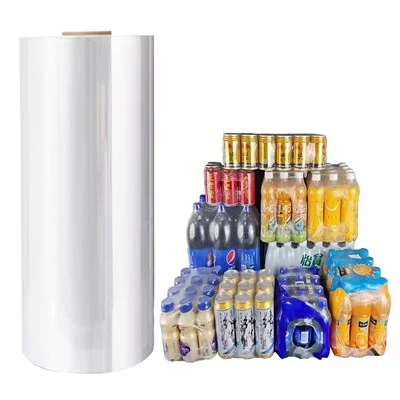
First, let’s start with the basics: plastic packaging bag finishes are essentially the final treatment applied to the exterior (or sometimes interior) of a bag, after it’s been extruded, printed, and formed. They’re designed to enhance functionality and aesthetics, and different base materials—like LDPE, HDPE, BOPP, or CPP—pair better with certain finishes. A lot of first-time buyers assume all finishes are interchangeable, but that’s not true. For example, a matte finish on a BOPP bag will behave differently than the same finish on a thin LDPE bag, which is why testing samples before ordering is always a good idea.
One of the most popular finishes we offer is Matte Finish. Unlike glossy finishes that reflect light, matte finishes have a low-sheen, non-reflective surface that feels smooth to the touch but doesn’t glint under store lights. I’ve seen this finish blow up in demand over the last three years, especially from skincare brands, eco-friendly product lines, and boutique apparel companies. Why? Because it feels premium without being flashy. Customers often associate matte packaging with quality and sustainability—matte coatings are usually thinner than glossy counterparts, which means less material use, and they don’t require as much harsh chemical processing as some high-sheen treatments. Functionally, matte finishes also hide minor scuffs and marks better than you’d think. For example, a small retail bag holding a jar of cream might get a tiny scratch in transit, but that scratch is barely visible on a matte surface, whereas it would stand out like a sore thumb on a glossy bag. That’s a huge plus for brands that want their packaging to look polished even after a long trip from warehouse to store. The only downside? Matte finishes can show fingerprints a little more easily than glossy ones, so if you’re handling food products that need to stay completely clean or high-value electronics, you might want to add a protective overlaminate to prevent smudges. I’ve had a few clients ask for matte bags with a thin UV coating, which fixes the smudge issue while keeping the soft, understated look. It’s a tiny extra cost, but for brands that rely on sleek, earthy branding, it’s worth every penny.
Next up, Gloss Finish. This is the most traditional plastic packaging finish you’ll see on grocery bags, snack packaging, and mass-market retail bags. Glossy finishes have a high shine that makes colors pop, which is why they’re a go-to for food brands that want their product labels to grab attention on crowded shelves. Think about a bag of potato chips or a box of cereal—those bright, bold colors you see are only possible with a glossy finish, because the reflective surface makes inks look more vibrant and true to their intended hue. I’ve had snack brand clients tell me their sales went up 12% after switching from matte to glossy bags, simply because their packaging stood out more next to competing products. Functionally, glossy finishes are also more durable in some ways: the high-sheen coating is thicker and more scratch-resistant than matte, so it holds up better to heavy use, like tote bags that get dragged around in purses or grocery carts. They’re also water-resistant and easy to wipe clean, which makes them perfect for single-use food packaging like sandwich bags or produce bags. The main trade-off here is that glossy finishes make scuffs and fingerprints way more visible. If you’re a high-end beauty brand, a tiny smudge on a glossy lipstick bag can make customers question the product’s quality, whereas that same smudge on a matte bag would go unnoticed. That’s why we only recommend glossy finishes for brands that don’t mind a more flashy, attention-grabbing look, and whose products don’t require the quiet sophistication of matte.
Then there’s Metallized Finish, which is exactly what it sounds like: a thin layer of aluminum is applied to the plastic bag to give it a metallic sheen. This finish is way more than just decorative—it’s highly functional. Metallized bags act as a barrier against light, moisture, and oxygen, which makes them ideal for products that spoil easily, like coffee, nuts, or pet food. I’ve worked with a coffee roaster that switched from regular plastic bags to metallized ones, and they told me their beans stayed fresh three times longer because the metallization blocked out sunlight that would degrade the coffee’s flavor. The metallic look also gives packaging a luxury feel—luxury chocolate brands, craft beer companies, and even cosmetics use metallized bags to make their products feel like a premium purchase. There are different types of metallized finishes, too: some have a bright silver sheen, others a muted gold or copper, and we can even print over metallized surfaces to add custom designs. The downside? Metallized bags are a bit more expensive than standard matte or glossy, and they’re not as easy to recycle, because the aluminum layer can’t be separated from the plastic easily. For brands focused on 100% recyclable packaging, we often offer a “metalized look” finish that uses a clear, pearlescent coating instead of actual aluminum—it gives the same metallic sheen but is fully recyclable, which solves that problem. I always make sure to talk to clients about their sustainability goals before recommending metallized, because it’s not the right fit for every brand.
Another finish we frequently offer is Soft-Touch Finish, also sometimes called “ velvety finish” or “micro-textured finish.” This is a relatively new type of coating that has a soft, almost fabric-like texture, unlike the smooth flatness of matte or glossy. It’s become super popular for apparel packaging, high-end skincare, and luxury gifts, because it feels luxurious to the touch. Imagine unboxing a silk scarf that comes in a plastic bag that feels like soft fabric—immediately, the customer perceives the product as more valuable. That’s the power of soft-touch finish. Functionally, it’s also very durable: the micro-textured coating resists scuffs and tears better than many standard finishes, and it’s stain-resistant, which is great for bags that are handled a lot, like tote bags for retail or event swag. The only thing to note about soft-touch finish is that it can be a bit more expensive to produce, because it requires specialized coating equipment, and it doesn’t work well with very thin plastic materials. It’s also not as good for high-heat environments, because the soft coating can melt slightly if the bag is stored in a hot warehouse or left in a car for long periods. But for brands that want to stand out with a tactile, premium experience, it’s unbeatable. We recently did a run of soft-touch bags for a luxury candle brand, and their customers regularly comment on how nice the packaging feels in reviews— that kind of sensory detail can drive repeat purchases, which is a huge win for any business.
One finish that’s less common but growing fast is Biodegradable Finish. More and more of our clients, especially small businesses and eco-conscious startups, are asking for plastic packaging bags that are compostable or biodegradable, and the finish is a key part of that. Biodegradable finishes are made from plant-based materials, like cornstarch or sugarcane, instead of traditional petroleum-based coatings. They break down naturally in compost or soil, so they don’t contribute to plastic waste. The look of biodegradable finishes can be matte, glossy, or even metallized, depending on the material, but their main benefit is sustainability. I work with a lot of zero-waste shops that use biodegradable bags with a matte finish, because they want their packaging to align with their brand’s mission of reducing waste. The thing to remember here is that not all biodegradable finishes are created equal—some only break down in industrial compost facilities, not home compost, so I always educate clients on that. If you’re a brand marketing your bags as fully compostable, you need to make sure the finish is certified by a reputable organization, like BPI (Biodegradable Products Institute), to avoid greenwashing claims. We offer a range of certified biodegradable finishes, and I’m always happy to walk clients through which one will work for their specific sustainability needs.
Let’s also talk about Specialty Finishes, which are custom treatments we do for specific brand needs. For example, we offer Lamination Over Print, which adds a clear, protective layer over the bag’s design to make it more durable and vibrant. This is great for bags that will be exposed to harsh conditions, like outdoor retail or frozen food, because it protects the ink from fading or smudging. We also offer Cold Seal Finish, which is a specialized coating that allows the bag to be sealed without heat—perfect for food products that can’t handle high temperatures, like fresh produce or bakery items. Another specialty finish we do is Holographic Finish, which has a rainbow, iridescent look that’s popular for party supplies, gift wrap, and kids’ products. The holographic finish works best on thin BOPP or CPP bags, so we recommend pairing it with a slightly thicker base material to keep the sheen consistent. Specialty finishes are where we can really tailor packaging to a brand’s unique goals, and I love that part of being a supplier—no two clients’ needs are exactly the same, so we get to get creative.
Now, let’s talk about how to choose the right finish for your plastic packaging bags, because I know that can be overwhelming. First, start with your product type. If you’re packaging fresh food or coffee, a metallized or glossy finish that’s moisture-resistant is a safe bet. If you’re selling high-end apparel or skincare, a matte or soft-touch finish will help your brand feel premium. If sustainability is your top priority, a biodegradable matte finish is ideal. Next, think about your shelf environment. If your products sit in bright retail stores, a glossy or holographic finish will help them stand out. If they’re stored in a dark warehouse, a matte finish that’s easy to handle is better. Also, consider your brand’s voice. If you’re a playful kids’ brand, a holographic or glossy finish might fit. If you’re a minimalist skincare brand, a matte biodegradable finish is the way to go. And don’t forget to ask for samples! As a supplier, I always send free sample rolls so clients can feel the finish and test how it looks with their specific design colors—you’d be surprised how different a finish looks on a sample vs. a digital mockup.
I’ve been in the plastic packaging industry for over 10 years, and one thing I’ve learned is that the best packaging isn’t just about what looks good—it’s about what works for your product and your customers. A great finish can turn a plain bag into a marketing tool, protect your product, and make customers feel good about their purchase. Whether you’re a small startup ordering your first run of bags or a large retailer looking to refresh your packaging, we have the expertise to help you pick the right finish. Every order we take is tailored, so if you have specific needs—whether it’s a matte finish for your eco-brand, a metallized finish for your coffee, or a soft-touch finish for your luxury products—we can make it happen.
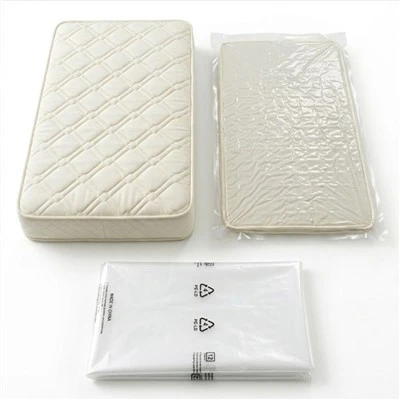
If you’re ready to discuss your plastic packaging bag needs and find the perfect finish for your brand, reach out to our team to connect for a procurement discussion. We’re here to answer questions, share samples, and help you create packaging that meets your goals.
POF Shrink Film References
- Food and Drug Administration. (2022). Plastic Packaging Materials for Food Contact Use.
- European Commission. (2021). Sustainability of Plastic Packaging: Finishes and Recyclability.
- Packaging Association. (2023). Guide to Plastic Bag Finishes: Function and Aesthetics.
- Smith, J. (2022). Premium Packaging: The Impact of Texture and Finish on Consumer Perception. Journal of Retail Branding.
Shanghai Ruiyue Plastic Products Co., Ltd.
With abundant experience, we are one of the most professional plastic packaging bags manufacturers and suppliers in China. We warmly welcome you to buy high quality plastic packaging bags in stock here from our factory. If you have any enquiry about customized service, please feel free to email us.
Address: No. 1000, Lixue Road, Malu Town, Jiading District, Shanghai
E-mail: shenyang.boss@ruiyueplastics.com
WebSite: https://www.ruiyueplastics.com/
