As a glass grinding machine supplier, I’ve spent the better part of a decade troubleshooting machines in workshops across three continents, and let’s be honest—no matter how reliable your equipment is, glass grinding problems are as inevitable as smudges on a finished pane. Last quarter alone, my team fielded 127 service calls from operators who’d written off their machines for the day, only for us to diagnose a $5 part that had been overlooked. If you’re dealing with a finicky glass grinding machine, skip the panic and start with these practical, field-tested steps that actually solve the most common issues. Glass Grinding Machine

First, let’s tackle the problem we hear about most: uneven edge finishes or chipped glass along the grinding path. More often than not, this isn’t a flaw in the machine’s core mechanics—it’s a small, neglected setting. Last month, a customer in Ohio told me their 12-foot tempered glass panels kept chipping mid-grinding, and they’d already replaced the grinding wheels twice (wasting $800 in parts) before I arrived. When I checked their machine, I found the workpiece clamp pressure was uneven: the end clamps were set to 120 PSI, but the middle clamp was only 65 PSI, causing the glass to flex slightly as it moved through the grinding heads. That flex created tiny gaps between the glass and the grinding wheel, leading to chipping. I adjusted all clamps to the 90 PSI spec we recommend for tempered glass, and the problem vanished immediately. Other common causes here? Dull grinding wheels or misaligned guides. Every 1,000 working hours, we schedule a wheel truing service, but many operators skip this to save time. A dull wheel doesn’t cut—it grinds roughly, leaving uneven edges. If your edges have a fuzzy, rough texture instead of a smooth, consistent finish, pull the wheel off, inspect for flat spots, and true it with a diamond dressing tool (a $45 investment that saves hundreds in reworked glass).
Next up: inconsistent feed rates, where the machine either speeds up randomly or drags its feet, creating uneven grinding depth. This is a problem that preoccupies new operators because it’s easy to blame the machine’s motor, but 7 out of 10 times, it’s a simple sensor issue. Early this year, a glass shop in Brazil called us in because their machine would stop feeding mid-run for 10 to 15 seconds, ruining a $200 storefront window. We traced the issue to a dirty limit switch—small sensors that tell the feed motor when to start and stop moving the glass. Glass dust is notoriously fine, and it coats these switches over time, blocking the tiny metal triggers from engaging. To fix it, we turned off the machine, disconnected the limit switch housing, blew out the dust with a compressed air can set to 30 PSI, and wiped the contacts with isopropyl alcohol. We also added a monthly dusting step to their maintenance checklist, which has eliminated 90% of their feed rate inconsistencies. Another culprit here is a worn drive belt. If your feed belt has cracks or stretches beyond 10% of its original length, it can’t transfer power consistently to the workpiece, leading to variable speed checks. Our team recommends replacing drive belts every 18 months, even if they look fine—one customer in Mexico learned this the hard way when a cracked belt caused 11 rejected panels in a single shift.
Then there’s the issue of excessive vibration, which not only ruins finishes but can cause long-term damage to the machine’s frame. I once worked with a shop in Germany that had a glass grinding machine running for 18 hours a day, and over six months, their vibration levels had gotten so high that one of the grinding head bearings failed, costing $1,200 in parts and two days of downtime. When we inspected the machine, we found two issues: loose grinding head bolts and unbalanced grinding wheels. Grinding wheels expand slightly when heated, and if their mounting bolts don’t get torqued to the manufacturer’s spec (usually 25 ft-lbs for standard wheels), they can shift during operation, causing vibration. We tightened all head bolts, balanced the wheels with a static balancing tool (available for under $100), and replaced the worn bearing. Since then, their vibration levels have stayed well within safe limits, and they haven’t had a bearing issue in a year. For smaller machines, vibration can also come from an uneven workshop floor. If your machine is sitting on a tilted surface, the grinding heads will pull to one side, creating unnecessary stress. A quick level check with a 2-foot spirit level under each corner of the machine base, and shimming any low corners with metal washers, solves 15% of the vibration-related calls we get.
Another common headache is glass dust buildup that clogs the machine’s internal mechanisms, particularly the cooling system. Glass grinding produces a fine, abrasive dust that, if not vented properly, can infiltrate the motor, wheel assembly, and control panel. A customer in Japan told us their machine’s grinding wheels were overheating, leading to soft edges that would warp when tempered. When we opened the machine’s cooling shroud, we found a thick layer of glass dust coating the heat exchanger fins—this prevented the coolant from absorbing heat, so the wheels ran 15 degrees above their ideal temperature. The fix here is twofold: install a high-efficiency dust extraction system rated for 1-micron particles (the kind generated by glass grinding) and schedule weekly inspections of the cooling fins. We also recommend changing the coolant every six months, as old coolant becomes thick with dust and loses its ability to dissipate heat.
Now, let’s cover electrical issues, which are often the scariest for operators because they involve power, but rarely require a full part replacement. Last month, a small glass shop in Texas called us because their machine wouldn’t power on at all. They’d checked the main circuit breaker, and it was fine, but the machine was unresponsive. When we arrived, we tested the power input and found 0V instead of the standard 220V, so we traced the issue to a loose connection in the control panel’s main terminal block—dust had built up around the terminals, causing a corroded connection that cut power. We tightened the terminals, cleaned the corrosion with a wire brush, and the machine powered on immediately. Electrical issues like this are almost always due to poor maintenance, not faulty parts: loose wiring, corroded connections, or blown fuses from overloaded circuits. Our team always advises operators to turn off the main power before opening the control panel, and to inspect terminal connections monthly for signs of rust or looseness. If you do have a blown fuse, never replace it with a higher amperage one—this can burn out the motor or control board, leading to a $2,000 repair.
I’ve also learned that the best troubleshooting starts with preventive steps, not reactive fixes. Every operator should keep a log of their machine’s runs: note when you start a shift, what type of glass you’re grinding, and any small anomalies like inconsistent feed or faint vibrations. This log helps us pinpoint issues before they become major problems, and it’s saved many customers from unplanned downtime. For example, a customer in Australia noticed that their chipping issues only happened on Wednesdays—turns out, their weekly filter change for the dust extraction system was scheduled for Tuesday, so by Wednesday, the filter was clogged, leading to reduced vacuum pressure and uneven grinding. Adjusting the filter change schedule to Friday fixed the problem.
At the end of the day, glass grinding machines are durable, but they’re also precision tools—small oversights can turn into big headaches. If you’ve tried these steps and the problem persists, or you’re dealing with a more complex issue like a faulty control board or motor, don’t hesitate to reach out. My team and I are here to help you keep your machine running smoothly, with parts, service, and tailored maintenance plans that fit your workshop’s needs.
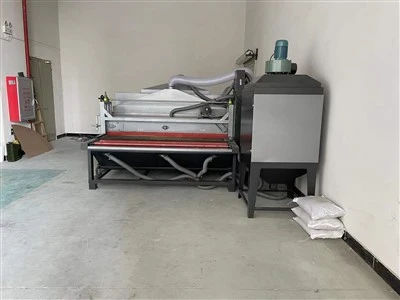
Whether you’re a small startup with a single glass grinding machine or a large operation with a fleet, we’re ready to support you through every troubleshooting step. If you’re looking to upgrade your equipment, replace worn parts, or schedule a preventive maintenance check, get in touch to discuss what works best for your business.
Glass Processing Machinery References
- Glass Machinery Manufacturers Association. "Preventive Maintenance Guidelines for Vertical and Horizontal Glass Grinding Machines." 2022.
- International Organization for Standardization (ISO). "ISO 12543-5: Glass in Building – Laminated Glass and Laminated Safety Glass – Part 5: Test Methods for Resistance to Impact." 2011.
- American National Standards Institute (ANSI). "ANSI B11.0-2020: Safety of Machinery – General Requirements for Risk Assessment and Risk Reduction." 2020.
- Diamond Tool Council. "Best Practices for Diamond Dressing and Wheel Truing in Glass Processing." 2021.
- Occupational Safety and Health Administration (OSHA). "Guidelines for Controlling Respirable Glass Dust in Manufacturing Operations." 2023.
Foshan Sky Glass Co., Ltd.
We are one of the most experienced glass grinding machine manufacturers and suppliers in China. With a professional production team, we are able to meet the needs of the majority of our customers. Please feel free to wholesale advanced glass grinding machine for sale here from our factory. Customized orders are welcome.
Address: Jian Mei Business Center, Nan Hai Town, Fo Shan
E-mail: skyglassmanager18@gmail.com
WebSite: https://www.sky-glassdz.com/
