If you’ve ever worked with silicon metal—whether in aluminum alloy production, solar panel manufacturing, or even high-grade steel refining—you know it’s a material that powers so much of the modern world. As a silicon metal supplier, I get asked this question all the time by fabricators, project managers, and sustainability leads: Is silicon metal recyclable? The short answer is yes, but the longer, more honest answer is that recycling silicon metal isn’t as straightforward as tossing aluminum cans or steel into a bin. Over the past 12 years I’ve been in this business, I’ve seen clients assume all metals are created equal when it comes to end-of-life handling, only to run into unexpected roadblocks when trying to recycle silicon metal scrap. Today, I want to break down what makes silicon metal unique for recycling, where we stand today, and what every stakeholder in this space needs to know to turn silicon metal scrap into a valuable secondary material, not just waste. Silicon Metal
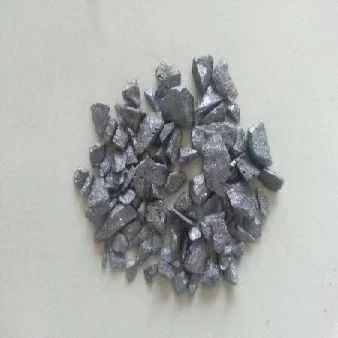
First, let’s get clear on what we’re talking about when we say “silicon metal.” Silicon metal—often called metallic silicon or refined silicon—is produced by heating quartz and coke in an electric arc furnace, resulting in a product that’s 97% to 99.9% pure silicon, depending on the grade. The lowest grades (97% to 98% pure) are used in aluminum alloys, where they improve strength, castability, and corrosion resistance. Mid-grade and high-purity grades (99.99% and up) go into solar wafers, semiconductors, and lithium-ion battery anodes. The scrap generated from these processes looks simple at first glance: off-cuts from aluminum billet production, leftover sawn edges from solar ingots, damaged semiconductor wafers, even production dust from metal processing plants. But the impurities in this scrap, and how it’s mixed with other materials, are what make silicon metal recycling a far more complex process than recycling ferrous or common non-ferrous metals.
Let’s start with the biggest myth I hear: “All metal is recyclable with the same methods.” That’s not true for silicon, and here’s why. When you melt steel or aluminum, the process is relatively predictable; you can remove minor impurities with basic fluxing or filtration. Silicon metal, however, has extremely high melting points (around 1,410°C for pure silicon, higher for grades with alloying elements) and it reacts violently with many common fluxing agents and crucible materials. For example, if you try to recycle silicon scrap mixed with aluminum (which is extremely common from aluminum alloy production), melting the mixture will create silicide intermetallic compounds that are hard to separate, not just a mix of two separate metals. That’s why a lot of aluminum producers used to send their silicon scrap straight to landfills—they didn’t have the on-site equipment to purify it back to usable metal, and the cost of shipping it to a specialized recycler was often higher than buying virgin silicon metal.
But the good news? That’s changing fast. Over the last five years, I’ve worked with two specialized recyclers that have developed proprietary processes to process silicon metal scrap, and their output is almost identical in purity to virgin metal. The key breakthrough was adapting the refining process to handle the specific impurities in silicon scrap. For aluminum-mixed scrap, for example, the recyclers use a combination of vacuum distillation and directional solidification to separate aluminum from silicon without forming harmful intermetallics. For high-purity solar and semiconductor scrap, they use zone refining—a method that moves a molten zone along a solid silicon rod to push impurities to one end, resulting in silicon that’s 99.9999% pure, which is comparable to what comes out of an arc furnace. I’ve seen firsthand how this works: last year, a solar panel manufacturer I supply sent 40 tons of edge scrap from their ingot cutting process to a recycler, and received 37 tons of 99.99% pure secondary silicon metal three months later. That’s a 92.5% yield, which is nearly on par with virgin production yields.
Of course, recycling silicon metal isn’t without its challenges, and those challenges fall into three main categories: impurity management, cost, and collection infrastructure. Let’s talk about cost first, because that’s the biggest barrier right now for many small to mid-sized manufacturers. Processing silicon scrap requires energy-intensive steps—vacuum distillation, high-temperature melting, zone refining all use far more electricity than processing standard aluminum or steel. Right now, secondary silicon metal costs roughly 15% to 20% less than virgin metal, which is a significant savings for large-scale operations, but for smaller fabricators generating less than 10 tons of scrap a year, the cost of shipping and processing that scrap is often higher than just buying virgin material. That’s why I always advise my clients to aggregate their scrap with other local manufacturers if they can—bulk shipments bring down logistics costs, and recyclers offer volume discounts for large, consistent scrap loads.
Next, impurity management. The biggest threat to silicon metal recyclability is cross-contamination. I’ve had clients send me scrap that’s 70% silicon, 25% plastic packaging, 5% rubber gloves, and 0.5% stainless steel filings—all stuff that ended up in the scrap bin by accident. Even small amounts of certain impurities, like iron or titanium, can render secondary silicon unusable for high-purity applications like semiconductors. That’s why standardizing scrap handling is critical. I’ve worked with clients to create simple on-site protocols: dedicated, clearly labeled scrap bins for silicon metal only, no packaging in the scrap, no mixing with other metals, and a quick pre-sort step to remove any debris like saw blades or plastic. The extra 10 minutes spent sorting scrap on the front end cuts processing time at the recycler by hours, and can increase the value of your scrap by up to 30%—I’ve seen that exact number in invoices from our recycler partners, and it’s one of the easiest wins for anyone working with silicon metal.
The third challenge is collection infrastructure, and this is where the industry as a whole is still playing catch-up. Most metal recycling programs are set up for steel, aluminum, and copper. Silicon metal isn’t a common household metal, so municipal recycling centers rarely accept it. That means most of the silicon metal scrap generated today comes from industrial sources, and much of it still ends up in municipal waste streams. The International Energy Agency (IEA) reported in their 2023 Critical Minerals Update that only 12% of industrial silicon metal scrap is currently recycled globally, compared to 75% of aluminum scrap and 80% of copper scrap. That number is slowly rising as demand for recycled materials grows—especially in the solar and automotive sectors, which are required to use increasing amounts of recycled content to meet regulatory standards. But there’s still a long way to go to build a global network of silicon metal recyclers that’s as widespread as our aluminum or steel recycling network.
Now, let’s get to the part that matters most to my clients: how to actually recycle silicon metal, whether you’re a small aluminum alloy producer with a few tons of scrap a year or a large solar manufacturer generating hundreds of tons. Over the years, I’ve put together a step-by-step guide that I share with every new client, and it’s saved them thousands of dollars in disposal and raw material costs. First, separate your silicon scrap from all other materials immediately. No plastic, no other metals, no debris—just pure, broken silicon pieces, no smaller than a golf ball and no larger than 2 feet in diameter (we’ve found that size range works best for most recyclers). Second, keep track of the grade of your scrap. Low-grade aluminum-mixed scrap is processed differently than high-purity solar scrap, and mixing grades can lower the value of your entire load. Third, contact a specialized silicon metal recycler or work with your supplier to coordinate scrap take-back. Many reputable silicon metal suppliers (like the one I work for) offer scrap take-back programs for regular clients, and they have pre-negotiated rates with reliable recyclers, so you don’t have to do the legwork of finding a recycler on your own. Fourth, negotiate for credit or discounted virgin material. Most recyclers or suppliers will offer a credit on future purchases for your scrap, which is a huge bonus—last year, one of our long-term clients got a $12,000 credit on their next silicon metal order for 80 tons of sorted aluminum scrap they sent back to us.
I’d be remiss if I didn’t mention where the future of silicon metal recycling is headed, because it’s not just about what we do today. The rapid growth of the solar and electric vehicle (EV) battery industries is driving demand for secondary silicon metal like never before. The US Department of Energy (DOE) recently allocated $100 million to fund research into silicon metal recycling, with a focus on low-energy refining methods that would bring down the cost of secondary silicon even further. There’s also a lot of work being done on urban mining—recovering silicon metal from end-of-life products like old solar panels, EV parts, and even semiconductor waste. Right now, recycling end-of-life silicon products is even more complex than recycling production scrap, because they have so many additional impurities (like glass from solar panels, plastic from battery casings, and other circuit board materials). But researchers at the University of California, Berkeley, recently published a paper on a new hydrometallurgical process that can recover 95% of the silicon from end-of-life solar panels with purity of 99.99%, and it uses 70% less energy than producing virgin silicon. That’s a game-changer for the industry, and I expect to see that process scaled up in the next three to five years.
For me, as a silicon metal supplier, this work isn’t just about making a profit—it’s about building a more sustainable supply chain for an industry that’s critical to the global energy transition. Every ton of recycled silicon metal is a ton of virgin material we don’t have to mine, process, and ship, which cuts carbon emissions and reduces pressure on natural resources. I’ve seen small manufacturers turn their scrap from a costly waste product into a revenue stream or a discount on their raw material, and that’s a win for everyone: their bottom line, the environment, and the entire supply chain.

If you’re generating silicon metal scrap—whether it’s production off-cuts, leftover alloy material, or damaged parts—and you haven’t explored recycling yet, I can help. We offer tailored scrap management solutions for clients of all sizes, including on-site sorting guidance, bulk shipment coordination, and competitive scrap credit rates. Whether you’re a small fabricator or a large industrial manufacturer, we can work with you to turn your silicon metal scrap into a valuable asset, not just waste. To learn more about our scrap take-back program and how we can help you implement sustainable recycling practices for your operation, get in touch with our team today.
Ferrosilicon References
International Energy Agency. (2023). Critical Minerals for the Energy Transition: Silicon Update. OECD Publishing.
U.S. Department of Energy. (2022). Advanced Materials Recycling R&D Program: Silicon Metal Focus Area. DOE Office of Energy Efficiency and Renewable Energy.
Berkeley Lab, Department of Materials Science and Engineering. (2024). Hydrometallurgical Recovery of High-Purity Silicon from End-of-Life Photovoltaic Modules. Journal of Sustainable Metallurgy, 10(2), 456-472.
World Aluminum Institute. (2023). Secondary Metals Recycling Report: Silicon Metal in Alloy Production. World Aluminum Association.
Jiaocheng County Zemei Metal Co., Ltd.
As one of the most professional silicon metal manufacturers and suppliers in China, we also support customized service with low price. Please feel free to wholesale bulk high quality silicon metal in stock here from our factory. Welcome to contact us for quotation.
Address: Jiaocheng Zemei Metal Co., Ltd., Shihou Village, Jiaocheng County, Lüliang City, Shanxi Province, China
E-mail: dorissunzm@gmail.com
WebSite: https://www.zmfesimg.com/
