If you’ve ever shopped around for building materials, you’ve probably seen “boards” of all kinds floating around—from basic plywood to MDF, OSB, and yeah, our fireproof board series. I get it, most folks just look at price first, and I don’t blame them. But when we talk about the cost difference between our fireproof boards and other regular boards, there’s way more to it than just the number on the tag. Let’s break it down like we’re chatting over coffee, no boring industry jargon, just real stuff I’ve seen working with builders, contractors, and even small business owners for years. Fireproof Board Series

First, let’s get one thing straight: regular boards (plywood, MDF, OSB) aren’t “bad”—they serve a ton of totally fine purposes. If you’re building a bookshelf in your spare room, or even a backyard shed that’s far from any heat sources, they’ll do the job. But their core material is mostly wood fibers glued together, or thin wood plies stuck with cheap adhesive. That’s why they’re so affordable upfront—we’re talking $0.50 to $2 per square foot for basic stuff. But here’s where the hidden costs start creeping in, and why that low initial price often ends up being way more expensive long term.
Our fireproof board series, on the other hand, isn’t just wood with a fancy name. We use a mix of specialized raw materials: non-combustible mineral cores (like magnesium oxide, that’s a big one), fire-resistant additives mixed into the adhesive, and a surface layer that doesn’t melt or spread flames. The upfront cost? It’s not cheap—usually $3 to $8 per square foot, depending on the specific type. But before you write that off as “too pricey,” let’s talk about the hidden costs that almost no one mentions when they’re comparing board prices.
Take residential projects, for example. If you’re framing a house, you’ve got to meet local building codes. Most places require areas near furnaces, water heaters, or fireplaces to have fire-resistant materials. If you skip that and use regular plywood, you’ll have to add extra layers of drywall or a separate fire-retardant coating later. That adds 20-30% to your project cost right there. I had a contractor last year tell me he tried cutting corners on a small retail shop renovation: he used OSB instead of our fireproof boards for the walls near the bakery’s oven. By code, he ended up having to tear out half the wall and re-install fireproof boards anyway. He spent $1,200 extra on that mistake. That’s not a one-time thing—code violations add up fast with fines, rework time, even delayed permits.
Then there’s insurance. A lot of people don’t realize that insurance companies charge higher premiums if your building uses non-fire-resistant materials, especially for commercial spaces. One client of mine runs a café; he asked his insurer, and they said switching to our fireproof wall boards would cut his annual liability insurance by 15%. For a small business, that’s $1,800 a year he gets to keep instead of paying out. Add that up over 10 years, and that’s $18,000—way more than the difference in upfront board cost.
What about durability? Regular boards have a big flaw: they catch fire way too easy, but they also warp, rot, or delaminate if they get even a little moisture. I’ve seen MDF get ruined by a leaky pipe in a basement in 2 weeks. That means repairs, replacements, lost time—especially for commercial spaces where downtime costs money. Our fireproof boards are moisture-resistant too (we treat the core to repel water), so they last 2-3 times longer than regular boards. That means less replacement, less maintenance, which is a huge long-term win. For a landlord with a 10-unit apartment building, that’s tens of thousands of dollars saved over the life of the property.
Wait, let’s not paint regular boards as total garbage—they’re perfect for low-risk areas. If you’re building a kids’ treehouse that’s not near anything flammable, regular boards make total sense. The cost difference there is totally worth it. But when the space is near heat, electricity, or lots of people, that price gap starts to close really fast when you factor in hidden costs.
Another thing: custom orders. A lot of contractors think they have to pay a premium for fireproof boards because they’re “specialty,” but honestly, for most standard sizes, our pricing is way more competitive than it was 5 years ago. Back in the day, fireproof boards were 2x the cost of plywood, but now with better manufacturing processes, it’s only 1.5x to 2x for most types. And the time you save? Fireproof boards are pre-treated, so you don’t have to spend extra time applying fire retardant coats yourself. That cuts labor time by 20% on average. Labor is the biggest cost in any build—if you spend less time prepping boards, that’s more money in your pocket.
I also want to talk about safety, because at the end of the day, that’s the biggest cost no one can put a price on. Last year, a small warehouse in the next town caught fire; it was framed with regular OSB. The fire spread through the walls in 2 minutes, and the entire building was gone in an hour. If they’d used fireproof boards, the fire would have been contained to the area of origin, and they could have saved the whole structure. The owner lost $200,000 in inventory alone, plus the cost of rebuilding. That’s a catastrophic loss that could have been avoided for a few thousand dollars extra on board materials.
Let’s do a quick side-by-side for a 100-square-foot wall, just to make it real. If you use basic plywood: $150 upfront. Add a fire retardant coat to meet code: $50. If there’s a small fire near that wall, you might have $5,000 in repairs and lost business. Total worst-case scenario: $5,200. Now, if you use our fireproof boards: $500 upfront. No extra coatings needed. If there’s a small fire near that wall, it’s contained. Total cost: $500. That’s not even close.
I know “cost difference” sounds like just a number, but it’s not. It’s the difference between a project that stays on budget and on time, and one that hits you with surprise fees. It’s the difference between a building that lasts 20 years and one that needs a full rebuild in 10. It’s the difference between peace of mind and sleepless nights worrying about fires, leaks, or code fines.
If you’re still on the fence, here’s what I always tell people: figure out what the space is for. If it’s a spare room, a treehouse, a small garden shed—regular boards are perfect, save the money. If it’s a commercial kitchen, a basement, a multi-family home, a warehouse, or anywhere with lots of people or heat sources—our fireproof board series is worth every extra dollar.
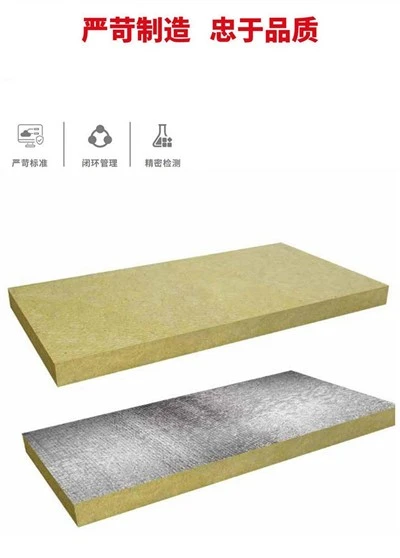
I’ve been in this game for over a decade, and I’ve seen way too many people cut corners on boards and end up regretting it. We don’t try to sell you something you don’t need, but we do make sure you have all the facts to make the right call. If you’re planning a project and want to compare exact costs, ask questions about code requirements, or just want to know more about how our fireproof boards can fit your budget, hit us up to connect for a procurement chat. We’re here to break down numbers, answer any questions, and make sure you get the best value for your money.
Waterproof Backer Board Series References:
- National Fire Protection Association (NFPA). (2022). Building Code Requirements for Fire-Resistant Construction. Quincy, MA: NFPA.
- U.S. Department of Housing and Urban Development (HUD). (2021). Cost-Benefit Analysis of Fire-Resistant Building Materials for Residential Properties. Washington, D.C.: HUD Office of Policy Development and Research.
- International Code Council (ICC). (2023). 2024 International Building Code Section 703: Fire-Resistance Ratings of Building Materials. Country Club Hills, IL: ICC.
- Insurance Information Institute (III). (2022). How Building Material Choice Affects Commercial Property Insurance Premiums. New York, NY: III.
Langfang Aolesi Thermal Insulation Materials Co., Ltd.
As one of the most professional fireproof board manufacturers and suppliers in China, we also support customized service. Please feel free to buy bulk high quality fireproof board made in China here from our factory. For pricelist, contact us now.
Address: Dongwang Village, Dacheng County, Langfang City, Hebei Province
E-mail: Lfaolesibaowen@outlook.com
WebSite: https://www.lfaolesi.com/
