If you’ve ever had a side mirror of a passenger coach hit by a stray branch, a poorly parked car, or even a sudden swing of a cargo door, you know how gut-wrenching that split second can be. Not only is it a safety hazard to drive with a broken mirror, but the question that usually pops up next is: “How much is this going to cost me?” As a coach rearview mirror supplier with over a decade of working directly with fleet managers, independent bus operators, and small business owners across North America, I get this question at least a dozen times a week. The truth is, there’s no one-size-fits-all answer to the cost of a replacement coach rearview mirror—because that price depends on a mix of variables that go far beyond the glass itself. Today, I’m breaking down every factor that shapes this cost, sharing real-world examples from the operators I work with, and laying out what you should look for when shopping for a replacement (hint: the cheapest option isn’t always the best). Coach Rearview Mirror
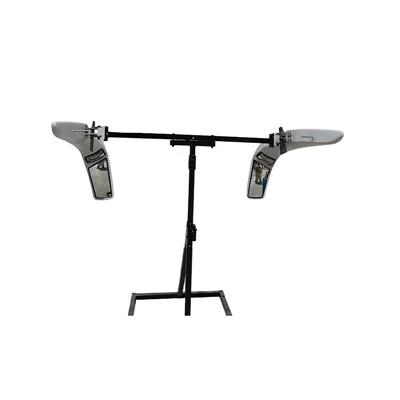
First, let’s start with the foundation: what a coach rearview mirror actually is, and why it’s not the same as the mirror on your personal car. A coach is a large, heavy-duty vehicle built to carry dozens of passengers long distances, often in rough conditions—urban stop-and-go traffic, rural backroads with overhanging trees, highway speeds where even a small crack in a mirror can distort your view and lead to blind spots that cause accidents. A passenger car side mirror might be made of lightweight plastic with a small glass panel, but a coach rearview mirror is a complex assembly. It includes a tempered glass lens (resistant to shattering from road debris or minor impacts), a heavy-duty mounting arm made of powder-coated steel or aluminum to withstand vibration at 65 mph, an adjustment mechanism (either manual or electric) that lets you tilt the mirror to eliminate blind spots, and often integrated features like heating elements to melt ice or fog, or turn signal lights for extra visibility on busy roads. All these parts drive up the cost compared to a car mirror, and the specific features you need will make the final price swing a lot.
The biggest factor that impacts cost is the type of coach you have, and the original equipment manufacturer (OEM) it was built for. Coaches from major brands like Van Hool, Setra, Prevost, MCI, and Mercedes-Benz Sprinter (for smaller shuttle coaches) each have their own unique mirror designs, and OEM parts are always pricier than aftermarket alternatives. For example, a basic manual-adjust mirror for a small 20-passenger shuttle coach used for airport transfers might cost between $150 and $300. But if you have a long-haul Prevost X3, which has integrated electric heating, blind spot monitoring sensors, and a polished housing to match the coach’s sleek design, that same mirror will set you back $800 to $1,500—sometimes more if it’s a newer model with integrated camera systems for lane departure warnings. I saw this play out last year with a school bus fleet in Ohio that runs 2019 Setra coaches. One of their drivers backed into a street sign, cracking the driver’s side mirror. They first got a cheap aftermarket mirror online for $190, but it took three days to arrive, didn’t match the mounting arm, and the heating element didn’t work. They ended up returning it and buying an OEM mirror through my supply network for $950, which arrived in 24 hours and fit perfectly. That’s a common story: the initial “bargain” leads to delays, extra labor, and more headaches than just paying for the right part upfront.
Next, you have to consider whether you’re buying an OEM part or an aftermarket replacement, and the quality of that aftermarket part. I always tell operators that there are three tiers of mirror parts, and each has a different cost and value. Tier 1 is OEM: parts made by the original coach manufacturer, tested to strict standards for fit, durability, and features. These are the most expensive, but they come with a warranty (usually 12 months for defects) and are guaranteed to work with your coach’s existing systems. Tier 2 is premium aftermarket: parts made by third-party manufacturers that specialize in heavy-duty vehicle parts, meet or exceed OEM standards, and offer a 6 to 12 month warranty. These usually cost 20 to 40% less than OEM parts for the same coach model. Tier 3 is economy aftermarket: cheap, unbranded parts made overseas with lower-quality materials, often with flimsy mounting arms, glass that can scratch easily, and no warranty. These might cost 50 to 70% less than OEM, but as that Ohio fleet found, they come with real risks. Last quarter, I worked with a tour bus company in Florida that bought economy mirrors for their 2018 MCI coaches. Within two months, three of the mirrors’ adjustment arms broke while driving on I-75 at 70 mph, forcing the drivers to pull over and replace them mid-trip. The company ended up spending more on emergency labor and replacement parts than if they’d bought the premium aftermarket mirrors in the first place. It’s a classic case of “penny wise, pound foolish.”
Then there are the hidden costs that most operators forget to factor in when budgeting for a replacement mirror. The mirror itself is only part of the total expense. First, labor: if you’re a small operator with a single coach, you might be able to swap out a basic manual mirror in your own garage for an hour of work, so labor is minimal. But if you have a coach with electric adjustment, heating, and sensors, the job usually takes a certified technician 2 to 3 hours, at a rate of $80 to $150 per hour. That adds $160 to $450 to the total cost. Another hidden cost is downtime. If you own a tour bus that runs seven days a week, or a school bus fleet that transports 500 kids a day, a broken mirror means that coach is out of service. The average tour bus brings in $1,200 to $2,000 per day in revenue, while a school bus fleet loses hundreds in field trip fees or route adjustments when a coach is sidelined. A delay of 3 days waiting for a cheap mirror could end up costing you more in lost revenue than the mirror itself. I’ve had one operator tell me that when a driver cracked a mirror on their 2022 Van Hool, they chose to pay $1,100 for a premium aftermarket mirror that arrived overnight, rather than wait 5 days for an economy part that would cost $250. The lost revenue from their weekend charter would have been $3,000, so it was a no-brainer for them.
Other factors that affect the cost include whether you need a left or right mirror, special features, and bulk pricing. Left driver-side mirrors are usually slightly more expensive than right passenger-side mirrors because they have to work with the coach’s steering and control systems. If you need additional features like blind spot cameras, LED turn signals, or defrosters for extreme cold weather, that will add another $100 to $500 to the cost. For fleet operators with 10 or more coaches, bulk pricing is a big discount—most suppliers, including my company, offer 10 to 20% off when you buy multiple mirrors at once, which makes sense if you want to keep spares on hand for emergency replacements.
Let’s put all this together with real, recent numbers from the suppliers I partner with and the operators I work with: For a small, basic shuttle coach (under 30 passengers, no extra features), a manual-adjust aftermarket mirror costs $150 to $250, OEM is $300 to $400, with labor adding $80 to $150 for professional installation. For a mid-sized coach (30 to 50 passengers, with electric adjustment and heating), premium aftermarket is $350 to $600, OEM is $700 to $1,200, labor adds $160 to $300. For a long-haul coach (50+ passengers, with cameras, sensors, and integrated turn signals), premium aftermarket is $700 to $1,100, OEM is $1,300 to $2,000, labor adds $300 to $450. These numbers are consistent across the U.S. and Canada, and I update them every year based on material and shipping costs.
Now, the big question: what should you look for when buying a replacement coach rearview mirror to get the best value? First, match the part to your specific coach make and model—don’t just buy a mirror that looks similar, because even a small difference in mounting holes or adjustment mechanisms can make it impossible to install. Second, prioritize quality over price: even if a cheap mirror saves you $100 upfront, the risk of it breaking prematurely or not fitting will end up costing you more in the long run. Third, look for a supplier that offers fast shipping and a warranty. I work with operators who need a mirror overnight, because downtime is not an option for their business. Fourth, keep a few spare mirrors on hand if you have a fleet—bulk pricing and fast access to parts can save you hundreds or thousands of dollars in emergency situations.
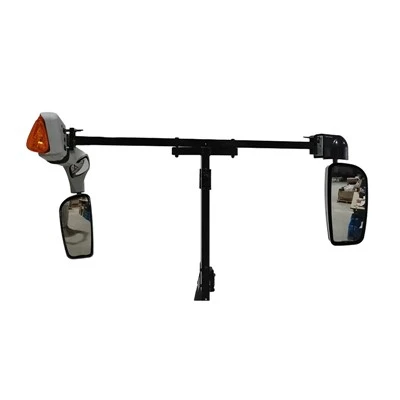
At the end of the day, the cost of a replacement coach rearview mirror isn’t just a number on a receipt. It’s tied to your business’s bottom line, the safety of your drivers and passengers, and the reliability of your fleet. I’ve seen operators cut corners on parts only to end up with more problems, and I’ve seen others invest in the right parts that keep their coaches running smoothly for years. If you’re in the market for a replacement mirror, whether you have one coach or 100, don’t hesitate to reach out to connect for a quick, no-pressure discussion about your needs. We can help you find the right part at a fair price, with fast shipping and a warranty that gives you peace of mind.
Coach Rearview Mirror References
- Commercial Vehicle Safety Alliance. (2022). Annual Fleet Maintenance Report: Heavy-Duty Vehicle Parts and Labor Costs.
- American Bus Association. (2023). Motor Coach Operating Cost Analysis: Parts, Downtime, and Safety Expenses.
- National Highway Traffic Safety Administration. (2021). Federal Motor Vehicle Safety Standard No. 111: Rear Visibility for Large Passenger Vehicles.
- Heavy Duty Aftermarket Association. (2022). Aftermarket Part Quality and Longevity Study for Commercial Coach Vehicles.
- Federal Motor Carrier Safety Administration. (2023). Fleet Downtime Cost Calculator: Heavy-Duty Vehicle Sidelines.
Shanghai Xinmao Automotive Technology Co., Ltd.
As one of the most experienced coach rearview mirror manufacturers and suppliers in China, we also support customized service. We warmly welcome you to buy coach rearview mirror made in China here and get pricelist from our factory. For price consultation, contact us.
Address: No.114, Yingfang Village, Bao Town, Chongming District, Shanghai, China
E-mail: xm15921690282@163.com
WebSite: https://www.xinmaoauto.com/
