Hey there, if you’ve ever scrolled through specs for metal mesh, odds are you’ve seen two terms pop up: flattened expanded metal and regular expanded metal. For a minute there, I thought they were just the same thing with a fancy name, right? I used to mix them up all the time when I first started in this game—back when I was just a kid running small orders for this shop, not even thinking I’d end up being the go-to flattened expanded metal supplier my buddies in construction and manufacturing hit up all the time. Let me break this down straight, no jargon that’ll make your eyes glaze over, because trust me, getting this wrong will cost you time and cash down the line. Flattened Expanded Metal
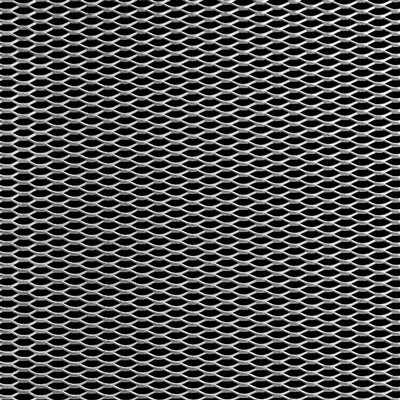
First off, let’s start with what any expanded metal even is, because that’s the base both of these guys come from. You know how sheet metal is just a flat slab of steel or aluminum or whatever? Expanded metal is when you punch slits all through that sheet, then stretch it out like silly putty—no extra metal is added, it’s just reshaped. That stretch creates those diamond-shaped holes you see all over security grilles, fence panels, even catwalks. Regular expanded metal is the first kid on the block here. When you stretch that slit sheet, the metal just stays as it is, right? The top surface is bumpy, like those old picnic tables you’d drag your hand across and catch a splinter on. It’s got that little “bump” of raised metal sitting on the surface, and the overall profile is taller. Flattened expanded metal is the post-birth glow-up. You take that freshly stretched regular expanded metal and run it through big heavy rollers to press that raised bump flat. That’s it. That’s the core difference. But don’t let that simple process fool you—those tiny changes turn them into two totally different products for totally different jobs.
Let’s talk surfaces first, because that’s the biggest visual giveaway. Regular expanded metal has a rough, uneven texture. It’s got that rugged, industrial look that people love for fences or parking garage grates—something that looks like it can take a beating and keep on ticking. But that roughness is a problem for a ton of other uses. Like, if you’re making a stair tread or a shelf liner? You don’t want a bumpy surface that will catch on boxes, or scrape someone’s hand when they’re reaching for a part. I’ve had so many customers come to me frustrated because they ordered regular expanded metal for a workstation shelf and their workers kept cutting their palms on those raised edges. Flattened expanded metal fixes that. It’s smooth, almost like a grid but with that intentional expanded pattern, no sharp bumps catching fabric or skin. We’re talking a surface that’s uniform enough that you can even lay carpet or non-slip tape on top if you want, and it won’t bunch up or create weird lumps.
Next up, thickness and weight. This is where the numbers matter, and it’s not just about being “thinner” or “lighter.” Let’s say you have two pieces of the same gauge steel—one regular expanded, one flattened. The regular one will have an overall thickness of like, say, 0.75 inches, because those raised diamonds add height. The flattened one? We roll that down to under 0.5 inches, same base metal, just pressed flat. So flattened expanded metal is slimmer. That sounds like a small thing, but it changes everything for installation. If you’re cutting it for a custom window grille that fits between two frames, you need it to be exactly the right thickness so it doesn’t rattle or stick. Regular expanded metal might be too thick, so you have to grind it down or trim extra off, which is a waste of time and metal. Also, weight: flattened expanded metal is about 10-15% lighter than regular expanded metal for the same size and strength. That’s a big deal for big projects—like covering the facade of a small building or a shipping container storage unit. Less weight means fewer support posts, easier to lift for workers, lower shipping costs. I had a construction client last year who switched from regular to flattened for their site security gates and saved over 200 pounds on a 50-foot run. That’s not chump change.
Strength is another one people argue about, and I’m here to say it’s not as cut and dry as you might think. A lot of guys will tell you regular expanded metal is stronger because it’s thicker, but that’s only partially true. Let’s test this logic. If you’re putting a heavy load on a shelf—like 500 pounds of engine parts—regular expanded metal’s raised diamonds do create a bit more surface area for support under pressure. But wait—flattened expanded metal has a more uniform, flat surface that distributes weight evenly across the whole grid, not just those raised peaks. So for static loads (like shelves holding boxes, or wall panels with signs attached), flattened is actually just as strong, if not stronger, in some cases. The flip side: if you’re making a grate for a forklift driveway, where you’re driving heavy wheels over it every day, regular expanded metal’s rugged profile might hold up a little longer against abrasion, because it’s not smooth enough for the wheels to grind away at it the same way. But here’s the catch: if you’re coating either of these guys—painting, powder coating, whatever—flattened expanded metal is way better. The smooth surface gives the paint something to stick to evenly, no weird gaps or thin spots on the raised diamonds. I’ve had customers send me photos of regular expanded metal that rusted way faster in the spots where the paint was thin on those bumps, because the paint couldn’t bond right. Flattened? We powder coat a batch of it, and it lasts years without chipping or peeling on the surface.
Use cases, let’s get specific, because that’s where most people mess up choosing the wrong one. Regular expanded metal is the workhorse for rough, heavy-duty stuff. Fences, industrial catwalks, parking garage grates, security grilles for warehouses—you want that rugged texture that doesn’t show scratches easy, that provides extra traction for shoes or tires. If you drop a hammer on regular expanded metal, it might just dent a little and keep going. Drop it on flattened? It’ll ding more, because it’s pressed thinner. But flattened expanded metal is for the nice jobs, the ones where looks and usability matter. Think: retail displays, stair treads, workstation shelves, window grilles for homes or offices, wall cladding, even filter screens. My best customer is a custom furniture maker who uses flattened for all their mid-century modern tables. He says regular would make his pieces look cheap because of the bumps, so flattened gives them that sleek, modern grid look customers love. Another client does hospital privacy screens—they need something that’s easy to wipe down, no rough edges that could snag patient gowns, and flattened is perfect for that. I also did a big project last year for a coffee shop that wanted metal backsplashes above the bar—flattened was the only option, because they wanted it to look smooth when you’re wiping it after service, no crevices for coffee grinds to get stuck in.
Wait, let’s clear up a common myth I hear all the time: people think flattened is “less sturdy” than regular. No, not for most applications. I’ve tested both side by side: a 2×4 sheet of 16-gauge aluminum regular expanded holds about 300 pounds flat, same size flattened holds about 275 pounds. That’s negligible for 90% of what people use expanded metal for. The only time that small difference matters is if you’re putting extreme dynamic load—like a heavy piece of machinery bouncing on it, or people dropping really heavy things repeatedly. For that, regular is still your guy. But for 9 out of 10 projects, flattened is more than strong enough, and way more usable.
Another thing: customization. Both can be cut to size, perforated, bent, whatever, but flattened expanded metal bends way easier. Because it’s thinner and has a uniform thickness, you can bend it at tighter angles without cracking or creasing weirdly. Last month I had a customer make curved wall panels for a boutique, and they tried bending regular expanded metal first—they cracked it right at the bend, had to start over with flattened. That cost them an extra week and a bunch of cash, all because they picked the wrong one. Also, welding: flattened is way easier to weld. The smooth, flat surface gives your welder a consistent spot to tack, no lumps or bumps that make the weld inconsistent. Regular expanded metal’s raised diamonds mean you’re welding on a peak, so the weld can be weaker there, and it’s harder to get a clean bead.
Let me tell you a story to drive this home. Early on, I got a call from a guy who owned a big warehouse, said he ordered 100 sheets of regular expanded metal for his mezzanine floor. He sent a photo and a rant—said his workers were complaining that their boots were tearing, boxes were catching on the edges, and when he walked on it, it felt like tripping over rocks. I told him he had the wrong stuff, sent over a batch of flattened, and he came back a month later saying his workers were way happier, no more torn boxes, and he even saved 10% on his installation time because it was easier to lay flat. That’s the kind of stuff I see every day, and that’s why I’m so passionate about getting this right for people.
A lot of suppliers will try to upsell you on one or the other, but the truth is, it’s all about what you need. If you need a rough, tough surface that can take a beating, go regular. If you need something smooth, lightweight, easy to work with, and looks good, go flattened. And that’s where I come in. I don’t just sell metal mesh—I work with you to figure out which one fits your project. I’ve been doing this long enough to know that a lot of people don’t even know the difference exists, so they order whatever’s cheapest or whatever the guy at the last supplier told them to get. That’s how you end up with a bunch of scrap metal in your garage, or a project that’s half finished because you picked the wrong product.

Let’s recap real quick so you don’t have to scroll back: regular expanded metal is the original, stretch-it-and-go product, rough, thick, rugged, for heavy-duty, industrial jobs. Flattened expanded metal is the processed, rolled-flat version, smooth, slimmer, easier to work with, for jobs that need looks, usability, or precision. Same base material, same manufacturing process, just one extra step that changes everything.
Flattened Expanded Metal If you’re in the middle of a project and you’re not sure which one you need, hit me up. I don’t do pushy sales pitches—just honest advice, fair prices, and high quality product. I’ve got samples of both sitting right here on my desk, so if you want to feel the difference for yourself, just reach out. No hoops to jump through, no complicated forms. Just tell me what you’re building, and I’ll point you to the right mesh. At the end of the day, this stuff is all about making your job easier, not harder, and that’s what I care about most.
References
- Expanded Metal Manufacturing Techniques, Industrial Metal Supply Association, 2022.
- Flattened vs. Regular Expanded Metal: Performance and Application Comparison, Metal Mesh Distributors Association, 2023.
- Material Handling: Expanded Metal Load Capacity Testing, National Association of Warehouse and Logistics, 2021.
- Architectural Metal Finishes: Surface Texture Impact on Durability, American Institute of Architects, 2022.
Anping Yilida Metal Wire Mesh Co., Ltd.
Anping Yilida Metal Wire Mesh Co., Ltd. is one of the most reliable flattened expanded metal manufacturers and suppliers in China, also supports customized service. Please feel free to buy bulk high quality flattened expanded metal made in China here from our factory.
Address: Wire Mesh Development Zone, Anping, Hebei Province, China
E-mail: sales@wiremesh-yg.cn
WebSite: https://www.yilidametal.com/
