Hey there, I’m Jake, and I’ve been working as an industrial lubricating oil supplier for over 12 years now. In that time, the question I get asked most often from plant managers, maintenance leads, and workshop owners isn’t about which oil to use for their gearboxes or compressors—it’s this: “How long can I actually keep this stuff before it goes bad?” It’s a super valid question, right? Nobody wants to fork out thousands of dollars on drums of lubricant just to have it turn to sludge in storage, or worse, damage their expensive machinery because they used expired oil. Today, I’m breaking this down like I would for a regular customer who walks into my warehouse—no stuffy jargon, just real talk and the facts I’ve picked up over the years. Industrial Lubricating Oil
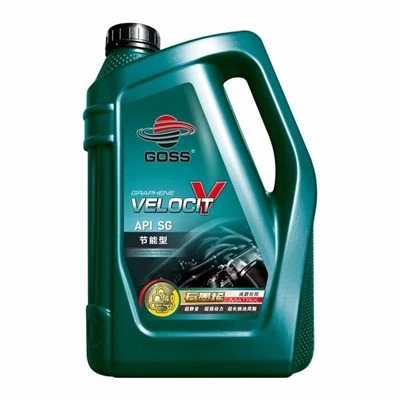
First off, let’s get one thing straight: industrial lubricating oil doesn’t have a one-size-fits-all shelf life. A lot of guys I talk to assume every drum is good for 5 years, but that’s not even close. It depends on so many variables—what the oil’s made of, how it’s stored, what additives are in it, even the time of year it’s delivered. Let’s start with the two main categories you’ll see: mineral-based oils and synthetic oils. Mineral-based stuff is the most common, like the 32 or 46 weight we sell for general hydraulic systems, and it’s got a shelf life that’s pretty well defined if stored right. Synthetic oils, on the other hand, are made for harsher conditions, and their base stocks are more stable, so they last longer when stored properly. But here’s the catch—synthetic doesn’t mean indestructible. I’ve had customers ask me if their synthetic gear oil is good for 10 years, and the answer is almost always no, unless it’s been stored perfectly.
Let’s talk about what actually makes lubricant go “bad.” It’s not like milk where it gets sour overnight—lubricant degradation is slow, and most of the time, it’s chemical breakdown, not visible spoilage. The big culprits here are oxidation and contamination. Oxidation happens when the oil reacts with oxygen in the air, especially if it’s exposed to heat. When that happens, the oil forms acids and varnish, which is that sticky, tar-like gunk you might see at the bottom of a drum or on a dipstick. Contamination is another big one—moisture, dust, dirt, even tiny metal shavings from the packaging process can get in, and that stuff accelerates degradation. If water gets in, for example, it can rust the metal parts of your equipment, and it also breaks down the oil’s additives.
Now, let’s get to the numbers, because that’s what everyone cares about. If you’re storing unopened drums (and I can’t stress “unopened” enough—once you crack a drum, you’re introducing air and moisture, so the clock starts ticking faster), here’s the general rule of thumb: mineral-based industrial lubricating oil has a shelf life of 2 to 5 years when stored correctly. Synthetic oils? 3 to 6 years, same storage conditions. But wait—those ranges are for ideal storage. What’s ideal, you ask? Let’s list that out because this is where most customers mess up. The perfect storage spot is a cool, dry, temperature-controlled environment. I’m talking temperatures between 10°C (50°F) and 30°C (86°F)—nothing hotter than that, because heat speeds up oxidation like crazy. Direct sunlight is a no-go, too—UV rays can break down the oil’s additives, especially things like anti-wear agents or rust inhibitors. Humidity is another enemy, so the storage area should be low moisture—no leaks on the floor, no standing water nearby, and definitely not storing drums in a rain-soaked yard. Also, drums should be stored on their sides? Wait, no—wait, actually, we tell customers to store drums upright, with the bung (the plug at the top) tight. If you store a drum on its side, oil can seep out around the bung, and air and moisture can get in easier. I’ve seen guys store drums in a pole barn all winter, and by spring, half the drums have condensation inside because of temperature swings, and that cuts their shelf life in half, easy.
Now, what if you open the drum? That’s a whole different ballgame. Once you break the seal, even if you put the bung back on tight, you’re letting air in, so oxidation starts, and any contamination that gets into the drum from your equipment (like when you scoop oil out with a dirty jug) will speed things up. For opened drums, the shelf life drops to 6 months to 2 years, depending again on the type of oil and how you store it. If you’ve got an opened drum sitting in a hot shop for 6 months, that oil is probably already starting to oxidize, and you shouldn’t use it in critical equipment like a turbine or a high-pressure hydraulic system—maybe it’s fine for a low-stakes conveyor, but not for something that costs $100k to fix if it breaks.
Here’s the part that a lot of “expert” articles don’t tell you: there’s no magic test to tell for sure if oil is good. You can do a visual check, right? If the oil is dark, has a funky smell (not the normal petroleum smell—sour, acrid), or has sludge or particles floating in it, that’s a sign it’s bad. But if it looks and smells normal, is it safe to use? Not necessarily. Oxidation that’s already happened might have formed acids that you can’t see, and those acids will eat away at your equipment’s seals and bearings over time. The only real way to test used or stored oil is to send a sample to a lab for a used oil analysis. We offer that as a free add-on for our regular customers, by the way—send us a 4-ounce sample, and we’ll test for oxidation, acid number, moisture content, contamination, and tell you exactly if it’s still within specs. For example, if the acid number is above a certain threshold (like 0.5 mg KOH/g for some hydraulic oils), that means oxidation is advanced, and you should replace it.
Wait, let’s talk about common myths I hear all the time. First myth: “Oil in sealed drums lasts forever.” No, it doesn’t. Even if a drum is unopened, the additives in the oil degrade over time, even if it’s stored in perfect conditions. Additives like anti-foam agents, rust inhibitors, and extreme pressure (EP) additives aren’t designed to last decades. I had a customer a few years ago who found a 10-year-old unopened drum of mineral-based gear oil in the back of his warehouse. He tried to use it, and it burned out his conveyor gearbox in 2 weeks. The oil’s EP additives had broken down, so they couldn’t handle the pressure of the gear teeth. Second myth: “Synthetic oil never goes bad.” I see this all the time with small business owners who switch to synthetic thinking it’s invincible. I had a guy last year who bought 15 drums of synthetic compressor oil, stored them outside in Florida for 4 years. By the time he opened them, the oil had absorbed so much moisture from the humid air that it was full of water, and his compressor seized up. Synthetic is more stable, but it’s not magic. Third myth: “All lubricant shelf life is the same.” That’s just wrong. A grease (wait, hold on—we’ve been talking about oil, but a lot of guys mix up oil and grease) has a different shelf life too, but for oil, it varies by base stock, additives, even the brand. We use high-quality base stocks and add our own blend of top-tier additives, so our oil tends to last a bit longer than the cheaper generic stuff customers pick up at big box stores.
Another thing that affects shelf life: how you handle the oil before it even gets to the customer. When we ship drums, we make sure the bungs are tightened properly, we seal the drum liners, and we don’t store our own inventory in hot warehouses. We rotate stock, too—first in, first out (FIFO), like any good supplier. That way, when a customer gets a drum from us, it’s not already been sitting on a shelf for 2 years before we ship it. A lot of the big warehouse stores don’t do that, so you might buy a drum that’s already got a year of shelf life gone before you even bring it home.
Let’s get practical for a minute. What should you do if you’ve got some old oil sitting around and you’re not sure if it’s good? First, check the packaging date. Most drums have a date code stamped on the bottom—usually a 4-digit number, like 2319, which means week 19 of 2023. If that date is within the ranges we talked about (unopened mineral oil, 2-5 years; synthetic 3-6 years), give it a visual check. If it’s clear (or the color it’s supposed to be—some oils are amber, some are dark brown for gear oil), no sludge, no weird smell, then you can do a quick test: take a small sample and put it in a glass jar, leave it open in your shop for a week. If you notice it getting darker, or there’s a layer of water at the bottom, that’s a sign it’s absorbing moisture and oxidizing—time to send it to a lab. If you don’t have time for that, just err on the side of caution. Using bad lubricant is way more expensive than buying a new drum. I’ve seen a plant spend $50k repairing a bearing that failed because they used $500 worth of expired oil—don’t be that guy.
Also, let’s talk about why this matters for your business. Lubricant is the lifeblood of your machinery. 30% of machinery failures are directly caused by bad lubrication, according to a lot of industry studies. Half of those failures are from using oil that’s degraded because it was expired or improperly stored. So getting the shelf life right isn’t just about saving money on oil—it’s about preventing downtime, which is the biggest cost for any industrial operation. A single day of downtime in a big manufacturing plant can cost tens of thousands of dollars, so spending a little extra to make sure your oil is good is a no-brainer.
Now, what if you need to extend the shelf life of your lubricant? Let’s talk about that, because a lot of customers have limited storage space or have to keep oil for planned maintenance. First, store it right—cool, dry, temperature-controlled, upright drums, sealed tight, no direct sunlight. If you’ve got opened drums, make sure you have a good transfer process—use clean jugs and pumps, so you don’t get contamination from the outside. Don’t leave drums sitting around open for weeks. If you can, use bulk storage tanks that are sealed and have breathers that filter out moisture and dust. Bulk storage is actually a game-changer for a lot of our larger customers—they buy oil in bulk, store it in tanks, and the shelf life is way longer than individual drums because there’s less surface area exposed to air. We help them size the right tanks, too, so they don’t overbuy and end up with oil that goes bad.
Wait, I should mention the difference between shelf life and service life, because that’s another common mix-up. Shelf life is how long the oil is good when it’s sitting in storage, unopened or opened. Service life is how long it works once it’s in your equipment. That’s a totally different number—service life depends on how hot the equipment runs, how much contamination gets in, how often you change it. For example, hydraulic oil in a press that runs 24/7 might need to be changed every 6 months, even if it’s only a month out of its shelf life. That’s not because the oil is bad—it’s because it’s working hard and getting contaminated from the system. So don’t confuse shelf life with service life—they’re separate things.
Let me wrap this up with some takeaways, because I know I rambled a bit (that’s just how I talk when I’m passionate about this stuff). First, there’s no set shelf life for industrial lubricating oil—it depends on base stock, additives, storage, and whether it’s opened or not. Second, unopened mineral oil: 2-5 years, synthetic: 3-6 years, if stored perfectly. Opened drums: 6 months to 2 years. Third, the biggest enemies are heat, moisture, air, and contamination—avoid those, and your oil will last longer. Fourth, when in doubt, test it, or contact your lubricant supplier. Fifth, don’t risk expensive machinery on expired oil—downtime costs way more than a new drum.
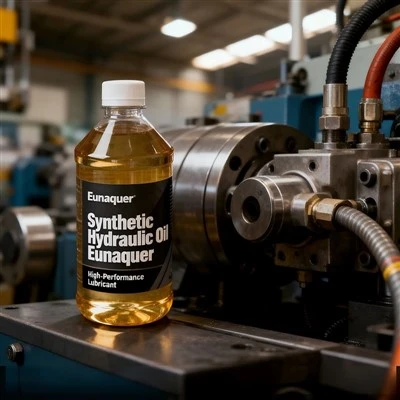
If you’ve got old oil you need to test, or you’re trying to figure out how to store your new stock to get the most out of it, or you just want to chat about which oil is right for your equipment, hit me up. I’m always happy to answer questions, no sales pitch required—just honest advice from someone who’s been in this game for over a decade. We’re here to help, because your success is our success.
Gasoline Engine Oil References:
- Lubrication Engineers. (2021). Storage and Shelf Life of Industrial Lubricants.
- American Petroleum Institute. (2019). Guidelines for Industrial Lubricant Storage and Handling.
- Society of Tribologists and Lubrication Engineers. (2020). Lubricant Degradation: Causes, Testing, and Mitigation.
- National Fluid Power Association. (2018). Hydraulic Oil Shelf Life and Service Life Best Practices.
MoGen Lubricating Oils
With abundant experience, we are one of the most professional industrial lubricating oil manufacturers and suppliers in China. We warmly welcome you to wholesale custom made industrial lubricating oil from our factory. If you have any enquiry about cooperation, please feel free to email us.
Address: No.8003 Chewang Rd, Economic Development Zone Of Jinan, Shandong Province, China 250301
E-mail: sales@mogenoils.com
WebSite: https://www.mogen-oil.com/
