As a supplier of fume hoods, ensuring the optimal performance of these essential laboratory safety devices is not only our responsibility but also a key factor in maintaining a safe and efficient work environment. Testing the performance of a fume hood is a multi – faceted process that involves a series of scientific and practical steps. In this blog, I will share in – depth knowledge on how to conduct comprehensive performance testing of fume hoods. Fume Hoods

1. Pre – test Preparations
Before initiating any performance tests, it is crucial to make thorough preparations. First and foremost, ensure that the fume hood is installed correctly according to the manufacturer’s specifications. Incorrect installation can lead to significant performance issues, such as uneven airflow distribution or poor containment. Check for proper sealing around the fume hood, including the sash, doors, and any other access points. Any gaps or leaks can compromise the integrity of the fume hood and allow hazardous substances to escape into the laboratory.
Next, gather all the necessary testing equipment. This typically includes an anemometer to measure airflow velocity, a manometer to measure pressure differentials, and a tracer gas detection system for containment testing. Make sure that all the equipment is calibrated and in good working condition. Calibration is essential as inaccurate measurements can lead to incorrect assessments of the fume hood’s performance.
It is also important to establish a baseline for the laboratory environment. This includes recording the temperature, humidity, and air pressure in the laboratory. These environmental factors can affect the performance of the fume hood, and having a baseline will help in interpreting the test results accurately.
2. Airflow Velocity Testing
One of the most fundamental aspects of fume hood performance is the airflow velocity. Adequate airflow velocity is necessary to ensure that hazardous fumes are effectively captured and removed from the working area.
To measure the airflow velocity, use an anemometer. The anemometer should be placed at multiple points across the face of the fume hood, typically at the center and at the corners. The recommended face velocity for most fume hoods is between 0.4 – 0.6 m/s (80 – 120 ft/min). However, this may vary depending on the specific application and the type of fume hood.
When taking measurements, make sure to maintain a consistent sash height. The sash height can significantly affect the airflow velocity, so it is important to follow the manufacturer’s recommendations. Record all the measurements and calculate the average face velocity. If the average face velocity is below the recommended range, it may indicate a problem with the ventilation system, such as a clogged filter or a malfunctioning blower.
In addition to measuring the face velocity, it is also important to check the uniformity of the airflow across the face of the fume hood. A significant variation in airflow velocity can lead to poor containment. To check for airflow uniformity, take measurements at multiple points across the face and compare the values. A variation of more than ± 20% is considered unacceptable and may require further investigation.
3. Pressure Differential Testing
Pressure differential testing is another important aspect of fume hood performance. The pressure inside the fume hood should be lower than the pressure in the laboratory to ensure that hazardous fumes are effectively contained.
To measure the pressure differential, use a manometer. Connect one end of the manometer to a point inside the fume hood and the other end to a point outside the fume hood, typically in the laboratory. The pressure differential should be maintained within a specific range, which is usually between 25 – 50 Pa (0.1 – 0.2 inches of water gauge).
A negative pressure differential indicates that the fume hood is functioning properly, as air will flow from the laboratory into the fume hood. If the pressure differential is too low or positive, it may indicate a problem with the ventilation system, such as a blocked duct or a malfunctioning exhaust fan. It is important to address these issues promptly to maintain the safety of the laboratory environment.
4. Containment Testing
Containment testing is perhaps the most critical aspect of fume hood performance, as it directly relates to the safety of laboratory personnel. The goal of containment testing is to ensure that hazardous fumes and particles are effectively captured and retained within the fume hood.
The most common method of containment testing is the tracer gas detection method. A tracer gas, such as sulfur hexafluoride (SF6) or perfluorocarbon (PFC), is released inside the fume hood. The concentration of the tracer gas is then measured at multiple points outside the fume hood, typically at the breathing zone of laboratory personnel.
The allowable concentration of the tracer gas outside the fume hood is usually specified by relevant safety standards. For example, the American National Standards Institute (ANSI) specifies that the concentration of the tracer gas outside the fume hood should not exceed 0.1% of the concentration inside the fume hood.
If the concentration of the tracer gas outside the fume hood exceeds the allowable limit, it indicates a problem with the containment of the fume hood. This could be due to a variety of factors, such as a leak in the fume hood, incorrect sash operation, or poor airflow distribution.
5. Sash Functionality Testing
The sash is an important component of the fume hood, as it helps to control the airflow and contains the hazardous substances. It is essential to test the sash functionality to ensure that it operates smoothly and provides an effective seal.
First, check the ease of movement of the sash. The sash should be able to open and close smoothly without any excessive resistance. If the sash is difficult to move, it may indicate a problem with the sash tracks or the counterbalance mechanism.
Next, check the sealing of the sash. When the sash is closed, it should form a tight seal around the perimeter of the fume hood. Any gaps or leaks can allow hazardous substances to escape. To check for leaks, you can use a smoke tube or a tracer gas detection system.
It is also important to test the sash height indicator. The sash height indicator should accurately display the height of the sash, as the sash height can significantly affect the performance of the fume hood.
6. Noise Level Testing
While not directly related to the safety performance of the fume hood, noise level testing is still an important consideration, especially in a laboratory environment. Excessive noise can be a source of distraction and can also affect the well – being of laboratory personnel.
To measure the noise level, use a sound level meter. Place the sound level meter at a distance of 1 meter from the fume hood, at the height of the operator’s ear. The recommended noise level for a fume hood is typically below 65 dB(A).
If the noise level exceeds the recommended limit, it may indicate a problem with the ventilation system, such as a malfunctioning blower or a loose duct. Addressing these issues can not only reduce the noise level but also improve the overall performance of the fume hood.
7. Documentation and Follow – up
After completing all the performance tests, it is important to document the results in a detailed report. The report should include all the measurements taken, the test methods used, and any observations or findings. This documentation is essential for compliance with safety standards and can also be used as a reference for future maintenance and inspections.
In addition to documenting the results, it is important to follow up on any issues identified during the testing process. This may involve making repairs, adjusting the ventilation system, or providing training to laboratory personnel. Regular follow – up and maintenance are essential to ensure that the fume hood continues to perform at its optimal level.
Conclusion
Testing the performance of a fume hood is a complex but essential process. By following the steps outlined in this blog, you can ensure that your fume hood is functioning effectively and providing a safe working environment for laboratory personnel.
As a trusted fume hoods supplier, we understand the importance of reliable performance testing. Our team of experts is always ready to assist you with any questions or concerns you may have regarding fume hood performance testing. We offer high – quality fume hoods that are designed to meet the highest safety standards and can provide you with comprehensive testing and maintenance services.
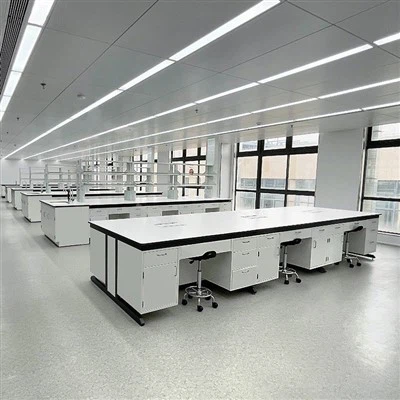
Lab Workbench If you are in the market for a new fume hood or need to test the performance of your existing fume hood, we encourage you to contact us. Our experienced sales team can provide you with detailed information and help you make the best decision for your laboratory needs. Let’s work together to ensure a safe and efficient laboratory environment.
References
- ANSI/ASHRAE 110 – 2016, Method of Testing Performance of Laboratory Fume Hoods
- OSHA (Occupational Safety and Health Administration) standards related to laboratory ventilation
- NFPA (National Fire Protection Association) codes for laboratory safety
HAMECC(Shanghai) Lab Solutions Co., Ltd.
We’re well-known as one of the leading fume hoods manufacturers and suppliers in China, featured by quality products and good price. Please rest assured to buy customized fume hoods made in China here from our factory.
Address: Building 1, No. 2222, Huancheng Road, Jiading District, Shanghai
E-mail: info@hamecc.com
WebSite: https://www.hamecc.com/
