Hey there! I’m a supplier of thermal flowmeters, and I’ve been in this game for quite a while. Over the years, I’ve learned a thing or two about how to optimize the performance of these nifty devices. So, I thought I’d share some of my tips and tricks with you. Thermal Flowmeter
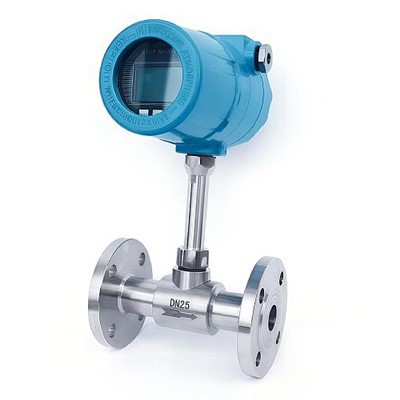
First off, let’s talk about what a thermal flowmeter is and how it works. A thermal flowmeter measures the flow rate of a fluid (usually a gas) by using the principle of heat transfer. It has two sensors: a heated sensor and a reference sensor. The heated sensor is heated up, and as the fluid flows past it, it cools down. The difference in temperature between the heated sensor and the reference sensor is proportional to the flow rate of the fluid.
Now, let’s get into the nitty – gritty of optimizing its performance.
1. Installation Matters
One of the most important things is getting the installation right. You gotta make sure that the flowmeter is installed in a location where the flow is fully developed and free from any disturbances. For example, avoid installing it too close to elbows, valves, or other flow – disturbing elements. A general rule of thumb is to have at least 10 straight pipe diameters upstream and 5 straight pipe diameters downstream of the flowmeter. This gives the fluid a chance to flow smoothly and ensures accurate measurements.
Also, make sure the flowmeter is properly aligned with the flow direction. If it’s installed at an angle, it can lead to inaccurate readings. And don’t forget to check the mounting brackets and make sure they’re secure. Loose mounting can cause vibrations, which can mess up the measurements.
2. Calibration is Key
Calibration is super important. You need to calibrate your thermal flowmeter regularly to ensure accurate measurements. The calibration process involves comparing the readings of the flowmeter with a known standard. You can do this in – house if you have the right equipment, or you can send it to a professional calibration lab.
When calibrating, make sure you use the same fluid and operating conditions as you’ll be using in the actual application. This is because the performance of the flowmeter can vary depending on the properties of the fluid, such as its density and viscosity. And remember, calibration is not a one – time thing. You should do it at least once a year, or more often if your application has high – precision requirements.
3. Keep It Clean
Dirt, dust, and debris can accumulate on the sensors of the thermal flowmeter over time. This can affect the heat transfer process and lead to inaccurate readings. So, it’s important to keep the flowmeter clean. You can use a soft brush or a compressed air gun to remove any loose particles. For more stubborn dirt, you might need to use a mild cleaning solution. But be careful not to damage the sensors while cleaning.
Also, if you’re using the flowmeter in a dirty or dusty environment, you might want to consider installing a filter upstream of the flowmeter. This can help prevent dirt from reaching the sensors.
4. Temperature and Pressure Considerations
The performance of a thermal flowmeter can be affected by temperature and pressure. You need to make sure that the flowmeter is designed to operate within the temperature and pressure range of your application. If the temperature or pressure is too high or too low, it can cause the sensors to malfunction.
For example, if the temperature is too high, the heated sensor might overheat, which can lead to inaccurate readings. On the other hand, if the temperature is too low, the heat transfer process might not work properly. So, it’s important to check the specifications of the flowmeter and make sure it can handle the temperature and pressure conditions of your application.
5. Software and Firmware Updates
Most modern thermal flowmeters come with software and firmware that can be updated. These updates can improve the performance of the flowmeter, fix bugs, and add new features. So, make sure you keep an eye on the manufacturer’s website for any available updates.
Updating the software and firmware is usually a pretty straightforward process. You just need to download the update file and follow the instructions provided by the manufacturer. But before you do the update, make sure you back up any important data stored in the flowmeter.
6. Training Your Staff
If you’re using the thermal flowmeter in a commercial or industrial setting, it’s important to train your staff on how to use and maintain it properly. They should know how to install the flowmeter, calibrate it, clean it, and troubleshoot any problems that might arise.
You can provide in – house training or send your staff to a training course offered by the manufacturer. This will ensure that your staff can get the most out of the flowmeter and keep it running smoothly.
7. Monitoring and Maintenance
Regular monitoring and maintenance are essential for optimizing the performance of a thermal flowmeter. You should keep track of the flowmeter’s readings and look for any signs of abnormal behavior. For example, if the readings are fluctuating more than usual, it could be a sign of a problem.
You should also perform regular maintenance tasks, such as checking the sensors for damage, tightening any loose connections, and replacing any worn – out parts. By doing this, you can catch any problems early and prevent them from getting worse.
In conclusion, optimizing the performance of a thermal flowmeter requires a combination of proper installation, calibration, cleaning, temperature and pressure management, software updates, staff training, and regular monitoring and maintenance. By following these tips, you can ensure that your thermal flowmeter provides accurate and reliable measurements for years to come.
If you’re in the market for a thermal flowmeter or need help optimizing the performance of your existing one, I’d love to chat. We’ve got a wide range of high – quality thermal flowmeters that can meet your needs. Just reach out to us, and we’ll be happy to discuss your requirements and find the best solution for you.
Variable-area Flowmeter References:
- Principles of Flow Measurement, ASME Handbook
- Thermal Flowmeter User Manuals from various manufacturers
Dalian Yheng Technology Co., Ltd.
Dalian Yheng Technology Co., Ltd. is one of the leading thermal flowmeter manufacturers and suppliers in China, also supports customized service. We warmly welcome you to buy high quality thermal flowmeter in stock here from our factory. Contact us for more details.
Address: F1605, NO.10 Huoju road, High-tech Industrial Zone, Dalian, China
E-mail: admin@dlyheng.com
WebSite: https://www.yhengphmeter.com/
