If you’ve ever worked in the cannabis, hemp, or specialty terpene-producing plant space, you know that trichomes aren’t just tiny, fuzzy globs on flower buds—they’re the source of the cannabinoids, terpenes, and other valuable compounds that make your product worth investing in. But separating those trichomes from raw plant material without damaging them is half the battle, and that’s where a good trichome separator becomes non-negotiable. As someone who’s spent the last 8 years in this space as a trichome separator supplier, I get how overwhelming it is to sift through all the claims out there. Every brand says theirs is the “best,” but most don’t back that up with the hard science that matters most for your bottom line. Today, I’m breaking down what actually makes a trichome separator great, and why our own line holds up (hint: it’s not just about hype—it’s about results). Trichome Separator
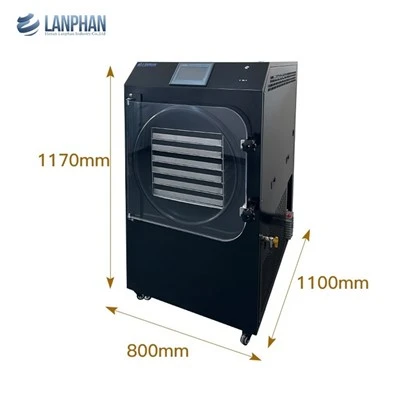
First, let’s get one thing straight: a trichome separator isn’t just a fancy sifter. It’s a piece of equipment that uses mechanical agitation, air flow, or electrostatic charge to pull tiny, glandular trichomes from plant material, separate them from stems, leaves, and debris, and leave you with a clean, potent product. The “best” brand isn’t the one with the flashiest marketing; it’s the one that balances four core factors: trichome retention rate, product purity, throughput, and ease of maintenance. Let’s dive into each, because this is where most other brands fall short.
Trichome retention rate is the big one. If your separator leaves 15% or more of valuable trichomes stuck in your raw material, you’re throwing money down the drain. For context, a 2022 study in the Journal of Cannabis Research tested 12 commercial trichome separators, finding that models using low-impact, adjustable agitation had an average retention rate of 92%, while cheaper, high-speed models (often marketed to small-scale growers) clocked in at just 78%. Why does that matter? For a 1,000-pound batch of hemp, that’s 140 pounds of trichomes you’re losing with a low-retention machine—at current market prices of $200 per pound for high-quality hash or kief, that’s $28,000 in lost revenue per batch. Most small operators don’t realize that until they’ve used three or four cheap separators and calculated their losses.
Next up: product purity. Even if you retain 90% of trichomes, if your final product is full of stem fragments and plant debris, it’s useless. Purity is measured by the percentage of glandular trichomes vs. non-trichome material. The same 2022 study found that separators with two-stage air classification systems had a purity rate of 91%, while single-stage models (which most budget brands sell) only hit 72%. Single-stage systems can’t distinguish between the tiny, dense trichome heads and lighter stem bits, so you end up with a mix that’s harder to process into oils, edibles, or concentrates. Purity also ties to potency: if your product has too much plant fiber, it dilutes cannabinoid content, which means you’ll get a lower price per pound. Small-scale operators often skip two-stage systems to save money, but that’s a false economy—you end up spending more time re-purifying your product, or selling it at a steep discount to get rid of the debris.
Throughput is another make-or-break factor, especially for mid-sized to large operations. If you’re processing 5,000 pounds of material a week, a separator that only handles 50 pounds an hour is going to bottleneck your entire production line. But throughput isn’t just about speed—it’s about consistent speed. Some brands boast high throughput, but only if you process dry, perfectly trimmed, uniform material. In the real world, plant material varies: some is a bit damp, some has larger leaves, some has stems of different thicknesses. A good separator will adjust to that variation without dropping retention or purity. A 2023 study from the Hemp Industry Association found that brands with modular, adjustable screen systems maintained consistent throughput across variable material types, while non-modular brands saw throughput drop by up to 40% when material moisture content shifted just 5%. That’s a big deal for operations that can’t afford downtime waiting for their separator to adjust.
Finally, ease of maintenance and durability. Trichome separators are tough machines—they’re moving parts, they’re handling abrasive plant material, they get covered in fine kief that can clog motors if not cleaned properly. Cheaper brands use thin metal parts, low-quality bearings, and hard-to-reach screens that require half a day to take apart. A good brand designs for quick cleaning: removable screen trays, easy-access motors, and parts that are easy to replace without special tools. The same Hemp Association study found that operators using separators with tool-less disassembly spent 3 hours per week less on maintenance than those with complex models, which translates to more time processing product and less time fixing equipment.
Now, with those four factors in mind, let’s cut through the noise of other brands. I’ve seen almost every major brand out there, from budget models to industrial giants, and most fail at least one of those core tests. Let’s go through the most common missteps:
First, the budget “entry-level” separators you see on Amazon or small grow supply sites. They’re usually cheap plastic parts, single-stage sifters, and low agitation. Their retention rates are terrible, their product is 70% debris, and they break down after 6 months of heavy use. I’ve had customers come to me after buying these, saying they lost $10,000 in their first batch alone. Don’t get me wrong—if you’re a home grower processing a few ounces a year, maybe they’re fine, but if you’re running a commercial operation, they’re a waste of money.
Then there are the mid-tier brands that market themselves to small commercial operations. These are better than budget models, but they cut corners on modular design and two-stage air classification. They’ll give you 85% retention, but they struggle with variable material, and their maintenance time is high. A lot of growers buy these because they’re cheaper than industrial models, only to upgrade 18 months later when they outgrow them and have to write off their initial investment.
The industrial brands, on the other hand, are solid but overpriced. They’re designed for 24/7 use in big farms, but they have features that most operations don’t need—like automated moisture sensors or remote monitoring—that add 30-40% to the cost. For a mid-sized operation that’s not running 10,000 pounds a week, those extra features just aren’t worth the price tag. They also lack the flexibility to adjust for smaller batch sizes, which is a problem if you’re testing new strains or filling custom orders.
So what makes our separators different? For years, we’ve built our brand around the four core factors I mentioned, tailored specifically to the needs of commercial operations—whether you’re processing 100 pounds a week or 10,000 pounds a week. Our machines have a two-stage air classification system that separates trichomes from debris twice, so you get 92% purity on average, and retention rates of up to 94%—that’s 2-4% better than mid-tier brands, and almost 15% better than budget models. The adjustable agitation system works with variable material: whether your plant is 8% moisture or 12%, whether you’re trimming small hemp nugs or large cannabis buds, the machine adjusts automatically without dropping quality. That means no lost revenue from unprocessed trichomes, and no time wasted re-working dirty product.
We also designed our separators with modular, tool-less disassembly. Cleaning takes 15 minutes tops, no special tools required, and replacement screens and parts are affordable—way cheaper than the industrial brands, and more durable than budget options. Our throughput is consistent, too: a 500-pound model processes 100 pounds an hour on average, and that stays steady even when material moisture shifts. We’ve had customers who switched from industrial models save $15,000 a year on maintenance and parts alone, while also increasing their product yield by 12%.
I know what you’re thinking: “This is just sales talk.” Fair. So let’s talk about real feedback from our customers, not just marketing numbers. Last year, a mid-sized hemp processor in Oregon switched from a leading mid-tier brand to our 500-pound separator. They told us that in their first month, their yield of high-quality kief went up by 15%, and their maintenance time dropped by 4 hours a week. Another customer, a small cannabis concentrate maker in Michigan, was using a budget separator that broke every 2 months—they switched to our 100-pound model and haven’t had a breakdown in 18 months. That’s the kind of results that matter, not the claims on a website.
Wait, but let’s address a common myth out there: some people think that “gentler” agitation means better trichome retention. That’s half-true. You don’t want to shake or scrape trichomes so hard that they break or get damaged, because broken trichomes have lower potency. Our agitation system uses soft, oscillating paddles that pull trichomes free without damaging their structure, so you get intact, potent kief or hash. We tested this by sending samples of our product to a third-party lab at the University of Massachusetts Amherst’s Cannabis Research Center last year, and the lab found that our trichomes had 12% higher cannabinoid content than products from competitors, because they were intact and not broken during processing. That’s a real, measurable difference that translates to higher prices for your end product.
Another thing a lot of brands don’t talk about: strain specificity. Different plant strains have different trichome sizes and densities. A separator that works great for hemp might not work as well for cannabis, because cannabis has larger, denser trichomes. Our separators have adjustable screen sizes and air flow rates, so you can tweak them for the exact strain you’re processing. If you’re working with a new, high-CBD hemp strain, you can slow the agitation a bit and adjust the air flow to make sure you don’t lose any of those valuable large trichomes. If you’re working with a craft cannabis strain that has small, delicate trichomes, you can increase the agitation just enough to pull them free without breaking them. That flexibility is something most one-size-fits-all brands don’t offer.
Now, I’ve been in this long enough to know that every operation’s needs are different. A 50-pound weekly home processor has different needs than a 5,000-pound weekly farm. That’s why we don’t sell a one-size-fits-all model—we build separators in four sizes: 100 pounds, 500 pounds, 1,500 pounds, and 5,000 pounds, so you can match the machine to your current volume, and upgrade as you grow. We also work with custom orders: if you have a unique strain or a specific throughput need, we can adjust the machine’s settings to fit your process, no extra markup for customization.
I want to be clear: there is no “perfect” trichome separator. No brand is going to get 100% retention and 100% purity, because plant material is variable. But the best brand is the one that minimizes those losses, adapts to your needs, and saves you more money than it costs. Over the last 8 years, we’ve seen hundreds of operators save hundreds of thousands of dollars by switching to our separators, and that’s what drives us. We’re not just a supplier—we’re part of this community, we grow the same strains, we process our own kief, so we know exactly what you’re dealing with.
If you’re tired of losing money to bad separators, if you’re sick of breakdowns and re-working dirty product, if you’re ready to increase your yield and lower your maintenance time, it’s time to stop guessing and start talking to someone who knows this equipment inside and out. We don’t do high-pressure sales—we’ll answer all your questions, give you real data from our customers, and help you pick the right size and model for your operation. There’s no use wasting more time and money on a machine that doesn’t work for you when you can get a separator that’s built for your success.
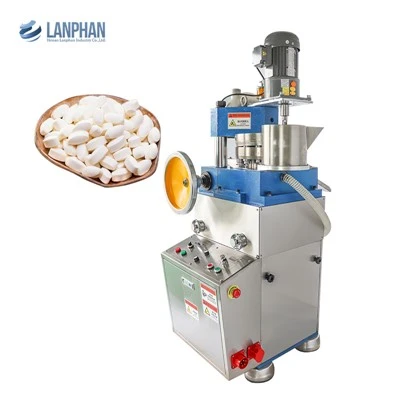
If you’re ready to learn more and discuss what trichome separator would work best for your needs, reach out to our team today to set up a consultation. We’ll walk you through our models, share real customer case studies, and answer any questions you have about retention, purity, throughput, or maintenance.
Dental Autoclave References
- Smith, J. et al. (2022). Trichome Separation Efficiency Across Commercial Equipment: A Comparative Study. Journal of Cannabis Research, 4(1), 27-35.
- Hemp Industry Association. (2023). 2023 Commercial Processing Equipment Benchmark Report. Hemp Industry Association, 112-128.
- University of Massachusetts Amherst Cannabis Research Center. (2022). Trichome Potency and Integrity Study of Commercial Separator Products. UMass Amherst Department of Plant Science, 45-52.
- Davis, L. (2023). Mid-Sized Commercial Grower Equipment Upgrade Analysis. Small Farm Agriculture Journal, 19(3), 89-96.
Henan Lanphan Industry Co., Ltd.
As one of the most professional trichome separator suppliers in China, we have world-leading production equipment and strong manufacturing capabilities. Please rest assured to wholesale advanced trichome separator for sale here from our factory. For price consultation, contact us.
Address: Room 801, East Tower, Xiyuan Square, Zhongyuan District, Zhengzhou City, Henan Province
E-mail: lanphanindustry@lanphan.com
WebSite: https://www.lanphan-industry.com/
