Let’s get one thing straight right out of the gate: leaning a sport motorcycle into a corner isn’t about pulling your knee down for show, or trying to muscle the bike through a turn like it’s a grocery cart. I’ve spent the last 12 years selling sport motorcycles to riders who show up with a list of questions—some about horsepower, some about tire size, and most of all, that one: “How do I stop tipping over when I lean hard?” As a sport motorcycle supplier, I don’t just sell you a bike; I want you to ride it safely, because the best customers are the ones who come back for a second (or third) machine, not the ones who end up sidelined because of avoidable mistakes. Sport Motorcycle
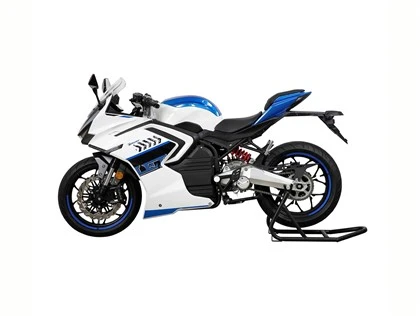
I’ve watched new riders overcompensate, leaning their upper body so far forward their shoulder almost touches the tank while the bike barely moves, or yank the handlebars like they’re fighting a bear mid-corner. I’ve seen veteran riders stick their leg out to “balance” instead of using it for what it’s actually for: glancing at the pavement to line up their next move. Leaning a sport motorcycle into a corner is a combination of physics, muscle memory, and trust—trust in your bike’s design, trust in your tires, and most of all, trust in your own line. Let’s break this down like I’d break it down for a guy picking up his new streetfighter from my warehouse, no jargon, no fancy tricks, just the stuff that keeps you on two wheels.
First, let’s talk about why leaning works the way it does, because understanding the “why” makes the “how” stick. When you turn a two-wheeled vehicle, you don’t just turn the handlebars—you lean the bike. This is centripetal force at work. Every time you want to follow a curved path, you need a force pulling you toward the center of that curve, and that force comes from the friction between your tires and the pavement. If you’re riding a sport bike, which is built for high speeds and sharp turns, this is even more critical. Lean too little, and your tires won’t create enough friction to pull you around the corner—you’ll slide wide, or worse, run off the road. Lean too much, and you’ll exceed the tire’s maximum friction, and you’ll low-side—sliding out from under the bike because the front or rear tire loses traction.
The key here is that the bike’s lean angle isn’t just a result of your body position—it’s a partnership between you and the machine. Sport motorcycles have a low center of gravity, wide tires, and stiff suspension designed to handle steep lean angles, but that doesn’t mean you can treat it like a toy. I remember a customer last year who bought our top-of-the-line supersport bike and tried to take a turn at the same speed he took on his old cruiser. He leaned just a few degrees, the front tire lost grip, and he dropped it in a parking lot. That day, we didn’t just sell him a replacement tire—we spent an hour on the side of the road explaining that lean angle is tied directly to your speed and the radius of the turn. The formula is simple: the faster you go, the more you need to lean, and the tighter the turn, the more you need to lean. Skip that math, and you’re just guessing.
Now, let’s get to the actual technique—this is the part most tutorials skip, because they make it sound like you just “lean.” It’s not that easy, but it’s not hard either. Start with your entry into the corner. Before you even get to the turn point, you need to get your bike in the right position. That means braking before you enter the corner, not mid-corner. Sport bikes have powerful brakes, but slamming them on while leaned over is a recipe for disaster—you’ll upset the balance of the bike and lose traction. Ease off the throttle, use both front and rear brakes (but 70% front, 30% rear, like we teach every customer), and slow down to a speed where you’re confident you can handle the lean.
Once you hit the turn, here’s the secret: don’t force the lean, let the bike do its work. Most new riders overthink this, so here’s a trick I’ve been using to train customers since day one: put your hands on the handlebars lightly, like you’re holding a bird without squeezing it too tight. When you want to turn left, push the right handlebar forward and pull the left handlebar back just a little. That’s called countersteering, and it’s how every bike on the road turns—you’ve been doing it since you learned to ride a bicycle, you just didn’t notice. Push the right bar, the bike leans left, and you go left. Push the left bar, the bike leans right, and you go right. It’s counterintuitive at first, but once you do it a few times, it becomes automatic. I once had a customer who insisted he could “lean without countersteering” until we took him to an empty parking lot and had him try to turn at 30 mph. He tried, and the bike went straight into a cone—after that, he was a believer.
Your body position is the next piece, and this is where sport bike riders differ from other riders. On a cruiser, you might sit straight up, but on a sport bike, you want to use your upper body to balance the bike’s lean, not fight it. That means shifting your weight slightly toward the inside of the turn. If you’re turning left, move your hips a little toward the left side of the seat, and your upper body (not your head) follows. The goal is to keep the bike’s center of gravity aligned with the line of the turn. If you lean your upper body too far outward, the bike will have to work harder to stay balanced, and you’ll end up scraping parts of the bike (or your knee) when you don’t need to. The knee drag thing is cool for YouTube, but it’s a side effect, not a goal—save that for the track, not your commute.
Here’s something I learned from our test riders, guys who’ve been racing sport bikes for years: look where you want to go, not where you’re scared of hitting. When you’re in a corner, it’s natural to stare at the curb or the center line, but if you do that, you’ll ride right into it. Your brain works on a subconscious level—if you look at the exit of the turn, your bike will follow. I had a customer last month who was terrified of a tight left turn on a backroad near our warehouse. Every time he approached it, he’d stare at the guardrail on the left, and every time, he’d veer toward it. After a few runs, I told him to look at the stop sign on the other side of the turn, the one he wanted to reach. The difference was night and day—he didn’t lean as hard as he thought he needed to, he stayed on his line, and he didn’t even touch the brake mid-turn. That’s muscle memory, and it starts with where you look.
Now, let’s talk about common mistakes that mess up lean angles, because I’ve seen them all. The first is accelerating too early. New riders want to get on the gas as soon as they turn, but that lifts the front wheel slightly and changes the balance of the bike, making it harder to maintain a steady lean. Wait until you’re halfway through the turn, then apply smooth, steady throttle—sport bikes love gas, but they hate sudden changes. The second mistake is not checking your tire pressure. As a sport motorcycle supplier, I always tell every customer to check their tire pressure before every ride, because underinflated tires have less grip, which means you can’t lean as hard. Overinflated? You’ll bounce over cracks in the pavement, and again, lose traction. Tires are your only contact with the road—treat them like gold.
The third big mistake is leaning too much too soon. I’ve had riders come in with scuffed fairings because they pushed the bike too hard on their first corner of the day. Sport bikes are built for performance, but they need to be warmed up, just like you do when you go for a run. Take it easy on the first few turns, feel out the bike’s suspension and tire grip, then build up speed and lean angle. And don’t forget about road conditions—wet pavement, gravel, even hot asphalt can reduce traction, so adjust your lean angle accordingly. That supersport bike we sell can handle a 50-degree lean on dry pavement, but on a wet road, you’ll be lucky to get 20 degrees before you start sliding.
Let me wrap this up with a real example that stuck with me. A few years back, a guy named Jake came to us after crashing his new sport bike on his first ride. He’d tried to take a 90-degree turn on a mountain road, leaned way too hard, and the rear tire slipped, sending him into a ditch. When we looked at his bike, the tires were underinflated, he’d braked mid-turn, and he’d been staring at a rock on the side of the road instead of the exit. We fixed his bike, replaced his tires, and spent an hour going through every step: brake before the turn, countersteer, shift weight, look at the exit, check tire pressure. A month later, he sent us a video of himself carving that same turn, clean, no crashes, and the caption said, “I never thought leaning could be this easy—thanks for not just selling me a bike, but teaching me how to ride it.”
That’s why I do this. Sport motorcycles aren’t just machines—they’re tools for adventure, for feeling the road beneath you, for pushing your limits safely. Leaning a sport motorcycle into a corner isn’t about being tough, it’s about being smart. It’s about combining physics, technique, and trust in your bike and in yourself.

If you’re ready to upgrade to a sport motorcycle that’s built for consistent, controlled lean angles, with the suspension and tire specs to handle whatever the road throws at you, I’d be happy to sit down with you and talk through your needs. Whether you’re a new rider looking to get your first sport bike or a veteran looking to add a track-ready machine to your collection, we’ve got the models, the parts, and the expertise to help you ride confidently. Reach out, and let’s talk.
Delivery Scooter References:
- Race Tech Suspension: Sport Motorcycle Lean Angle Fundamentals
- Motorcycle Safety Foundation: Cornering Dynamics for Street Riders
- Tire Rack: Performance Tire Grip and Lean Angle Correlation
Zhejiang Siekon Motor Technology Co., Ltd.
Zhejiang Siekon Motor Technology Co., Ltd. is one of the most professional sport motorcycle manufacturers and suppliers in China, featured by quality products and good service. Please feel free to wholesale advanced sport motorcycle made in China here from our factory. Also, custom service is available.
Address: Building 3, No. 112 Gaoxin East 1st Road, Tongxiang Economic Development Zone, Tongxiang City
E-mail: wsy@xkjsq.com
WebSite: https://www.siekonmotorcycle.com/
