Hey there, let’s cut to the chase—if you’re here googling “Can I use an LED controller to dim LED lights?” I’m guessing you’ve either got a bunch of new LED bulbs that are way too bright for your living room, you’re sick of harsh garage lights that hurt your eyes at night, or maybe you’re a small business owner trying to tweak the vibe in your café without dropping a ton of cash on new fixtures. And full disclosure? I run an LED controller supply company, so I’ve answered this exact question at least a hundred times this year alone—mostly from electricians, DIYers, and people who just got fed up with old dimmer switches that fried their $10 LED bulbs. LED Controller
First off, let’s get the basics straight, no jargon promise. Most old dimmer switches (the ones you’ve had since the 90s) were made for incandescent bulbs or even old halogen lights. Those work by chopping up the AC power that comes out of your wall, right? Incandescents heat up a wire filament, so even when you chop the power, they still glow bright enough to dim. But LEDs? They’re tiny, low-voltage, solid-state things. Ripped off the original power they get from old incandescent dimmers, and either they flicker like crazy, die in a month, or just won’t dim at all. That’s where an LED controller comes in. And yes, in 99% of cases, that’s exactly what you should use if you want to dim LEDs without turning them into paperweights.
Wait, let’s make that “99%” a little more specific, because there’s always that one edge case. Like, if you’ve got a random “dimmable” LED bulb that came with a sketchy off-brand pack from the dollar store, and it only works with the exact dimmer it shipped with? Yeah, maybe that’s a special case. But for 99% of the dimmable LEDs on the market today—like the ones you buy at Home Depot, Amazon, or our warehouse—an LED controller is the way to go.
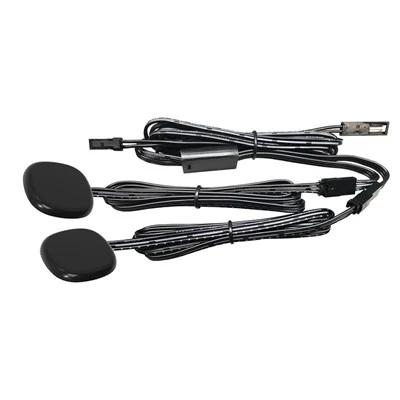
Now, what even is an LED controller, anyway? Let’s not get into circuit boards and microchips, I’ll keep it simple. It’s a little device that sits between your power source (like the wall or a power supply) and your LED lights. Instead of hacking the AC power like old dimmers, it adjusts the actual current and voltage the LEDs get. That’s the key difference—no more chopping power that’s too harsh for tiny LED parts. Controllers are built specifically for LEDs, so they know exactly how much juice each type of LED needs to glow smoothly, bright to dim, no flicker.
But wait, there are different types of LED controllers, right? Because not all LED setups are the same. Let’s break down the most common ones people ask about, so you don’t buy the wrong one and end up wasting your money.
First, if you’re doing something small—like a single fixture in your bedroom, or a couple of under-cabinet lights in your kitchen—you want a standard 0-10V or phase-cut controller. Phase-cut is the most like old dimmer switches, but it’s built for LEDs, so it won’t mess up the bulbs. 0-10V is a little more high-end, works if you want something super smooth, no visible flicker even when you dim all the way down. That’s perfect for places like home theaters or nurseries, where flicker is a big no-no (trust me, my little cousin had LED lights that flickered with an old dimmer and gave her headaches for a week—no fun).
Then there’s if you’re doing something bigger, like a whole office, a retail store, or a string of LED strip lights for a patio. That’s where DMX or WiFi/Bluetooth controllers come in. DMX is for commercial setups—like a bar that wants to sync their LED strip to music, or a café that needs to dim different sections of lights at different times. WiFi controllers are for people who want to control their lights from their phone—like turning down the living room lights from the couch while you’re watching a movie, or scheduling them to dim at 10PM every night. Bluetooth is a cheaper, shorter-range version, great for things like patio lights where you’re only 20 or 30 feet away from the controller.
Now, let’s talk about the stuff people actually worry about—does it work? Is it hard to install? Will I mess up my lights? Let’s get real. I’ve had customers tell me they tried using an old dimmer first, and half their bulbs died within two months. Switched to our basic phase-cut controller, and they’ve had those same bulbs for three years, no issues. Installation? Most basic LED controllers are just like installing a light switch—if you can turn off the power at the breaker and follow a few simple wire instructions, you’re good to go. We even send free cheat sheets with every controller we ship, because I know not everyone is an electrician. For the more advanced ones (like WiFi or DMX), there’s a little setup with an app or programming, but it’s not rocket science—most people can have it working in 10 minutes.
Wait, but hold on—there are two big mistakes I see people make when they want to dim LEDs with a controller, and I have to call those out because they end up coming back to us frustrated. First, buying a controller that’s not rated for the total wattage of your LED setup. Like, if you’ve got 10 LED bulbs that add up to 50 watts, and you buy a controller rated for 30 watts? That’s a problem. It’ll overheat, maybe shut off, and could even damage your lights. Always add up the total wattage of all your LEDs, and buy a controller that’s rated for at least that (or a little more, just to be safe). Second, not checking if your LEDs are actually dimmable. Wait, that’s not the controller’s fault—if your LED bulbs say “non-dimmable” on the box, even the best LED controller won’t make them dim. Those non-dimmable bulbs are built to run at full power, and trying to dim them can make them flicker or die. So double check that before you buy anything.
Let’s get into some real-life examples, because that’s what people care about. Last month, I had a customer named Jake who owns a small bakery in downtown Austin. He had 20 LED ceiling lights, all non-dimmable, and he wanted to dim them in the morning for a soft vibe and turn them up bright at night when the shop is busy. He tried two old incandescent dimmers first—two different brands—and within three weeks, eight of his bulbs were dead. He found us, bought our basic phase-cut controller (rated for 100 watts, which was more than his 60 total watts of bulbs), installed it himself, and he told me last week he’s had zero issues. He even added a few more bulbs a month later, and just swapped the controller for a higher wattage one, no hassle. Another customer, Maria, has a home theater. She wanted super smooth dimming for movie night, no flicker. She got our 0-10V controller, paired it with a wall switch, and she says it’s like being in a real cinema—you can barely tell when it’s dimming down to the lowest level.
Now, is there any scenario where you can’t use an LED controller to dim LEDs? Let’s be honest, there’s always an exception. The only time I’d say you don’t need a dedicated LED controller is if you have a brand-new “smart” LED bulb that works with Alexa or Google Home and has its own built-in dimming feature. Even then, a lot of people still use our controllers because they want more control—like dimming multiple bulbs at once, or syncing with other smart devices. But if you’ve got those bulbs with built-in dimming, you can technically use the app to dim them without an external controller, though most people still prefer the controller for better performance. Another exception: very small, low-voltage LED setups, like a single LED strip that’s 5 watts or less. You could technically use a simple resistive dimmer, but those are cheap and not very good—you’ll get flicker, so an LED controller is still better, even for tiny setups.
Wait, let’s bust a common myth here too: some people say that using an LED controller will reduce the lifespan of your LEDs. That’s only true if you buy a cheap, garbage controller that’s not built for LEDs. Our controllers are tested for over 50,000 hours of use, and that’s way longer than the average LED bulb. When you use the right controller, it actually helps your LEDs last longer because it regulates the current they get, so they don’t get overworked. That’s a win-win, right? You get the dimming function, and your bulbs don’t die early.
Now, if you’re thinking about actually doing this, let’s give you a quick checklist so you don’t mess up. First: Make sure your LEDs are dimmable. Check the box, or the product description—if it says “dimmable”, you’re good. If not, swap for dimmable bulbs, they’re not that much more expensive. Second: Calculate the total wattage of all your LEDs. Add up each bulb’s wattage (like 10 bulbs at 5 watts each is 50 watts total). Third: Pick the right controller type for your setup. If it’s a small single fixture, go phase-cut. If it’s smooth dimming for a bedroom or theater, go 0-10V. If it’s big, commercial, or you want app control, go WiFi/Bluetooth. Fourth: Buy a controller rated for at least your total wattage, maybe 10-20% more just to be safe. And fifth? If you’re not sure, just reach out to someone who knows what they’re doing—we’re here, and most LED controller suppliers will help you pick the right one.
At the end of the day, the answer to “Can I use an LED controller to dim LED lights?” is a resounding YES, almost always. The only time it doesn’t work is if you skip a step—buying the wrong controller, using non-dimmable LEDs, or using an old dimmer that’s not made for LEDs. That’s the stuff we see every day, and it’s totally avoidable.

If you’re ready to stop dealing with flickery lights or dead bulbs, and start enjoying smooth, reliable dimming, we’re here to help. We stock all types of LED controllers for every setup—from single bedroom fixtures to whole-commercial projects. Whether you have a tiny question or need help picking out the right controller for your specific lights, just reach out to our team to connect and chat through your needs.
Waterproof LED Driver References
LED Lighting Association. (2022). Best Practices for Dimming LED Lighting.
Department of Energy. (2021). Energy Savings and Performance of LED Dimming Systems.
Illuminating Engineering Society. (2020). IES Standard for LED Dimmer Compatibility.
Dongguan Lanbaoli Intelligent Technology Co., Ltd.
As one of the most professional led controller manufacturers and suppliers in China, our products have good reputation in the market. We warmly welcome you to buy durable led controller for sale here and get pricelist from our factory. Quality products and low price are available.
Address: 10th Floor, Building 32, Golden Town, No.7 Technology Avenue, Houjie Town, Dongguan City, Guangdong Province
E-mail: anna@lampow.cn
WebSite: https://www.lblsensors.com/
