If you’ve ever worked in a semiconductor cleanroom, a pharmaceutical manufacturing suite, a data center, or even a small electronics repair lab, you’ve probably walked across a floor that doesn’t look or feel like typical office tile, vinyl, or concrete. That’s ESD flooring, and if you’re new to the world of electrostatic discharge (ESD) sensitive operations, it’s more than just a specialized floor—it’s a critical line of defense against hidden damage that can cost companies millions in product loss, downtime, and safety hazards. Let’s break down what ESD flooring actually is, how it works, why it matters, and how to tell if it’s the right fit for your operation. ESD Flooring
First, let’s get clear on what ESD is, because that’s the core of this conversation. Electrostatic discharge is the sudden flow of electricity between two objects that have different electric charges. Most people have experienced a minor static shock when touching a doorknob after walking across a carpet— that’s ESD, and it’s usually just an annoying nuisance. But when you’re dealing with tiny electronic components, delicate pharmaceutical compounds, or even sensitive optical equipment, that same tiny spark (sometimes just 100 volts, which is too small for humans to feel or see) can be catastrophic. A single 1,000-volt ESD event can destroy a microchip, rendering a $1,000 component useless before it even leaves the assembly line. For a data center, even a small ESD spike can fry servers, take a system offline, and lead to hours of costly downtime. That’s where ESD flooring comes in.
Unlike regular flooring, which is designed for comfort, durability, or aesthetics, ESD flooring is engineered to safely dissipate static electricity from people, equipment, and surfaces to the ground, preventing that sudden, damaging discharge. It doesn’t eliminate static—static is a natural part of any environment with people moving around, equipment operating, and air circulating—but it controls it, channeling unwanted charge away from sensitive items before it can cause harm.
Now, how does ESD flooring actually do this? It’s all in the material makeup. Most ESD flooring is made of a multi-layer composite, not a single solid material. The top layer is a durable, slip-resistant wear layer that’s often static-dissipative on its own, designed to hold up to heavy foot traffic, rolling equipment, cleaning chemicals, and the occasional dropped tool. Beneath that is a conductive layer, which is made from materials like carbon fibers, graphite, or conductive polymers—these are the parts that carry electrical charge, turning the entire floor into a continuous conductive surface. Finally, there’s a back layer that acts as a secondary insulator, ensuring charge flows only where it’s meant to (through the floor to grounding points) and not into other parts of the building or equipment.
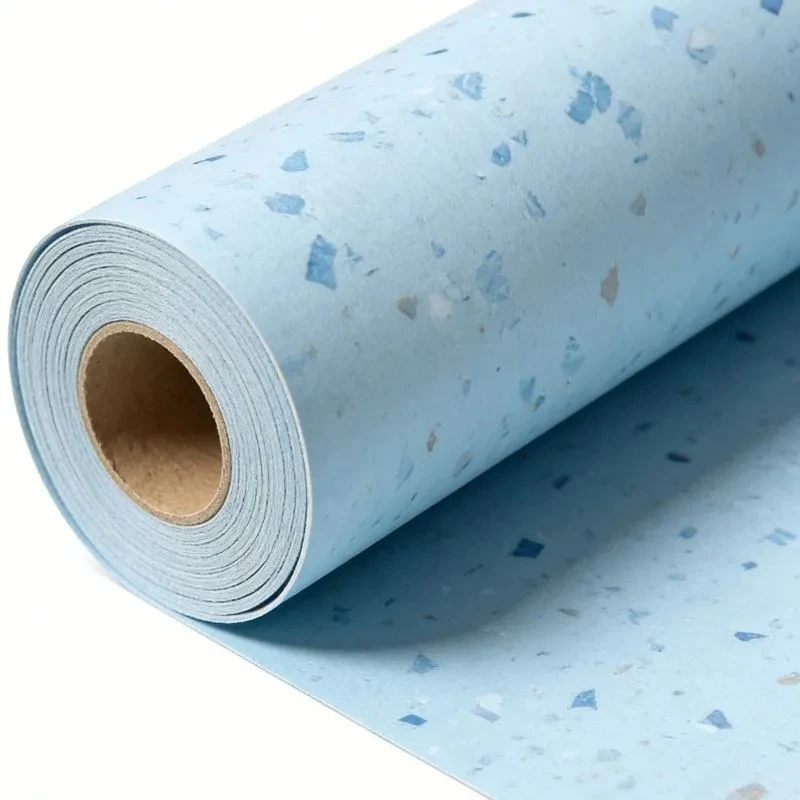
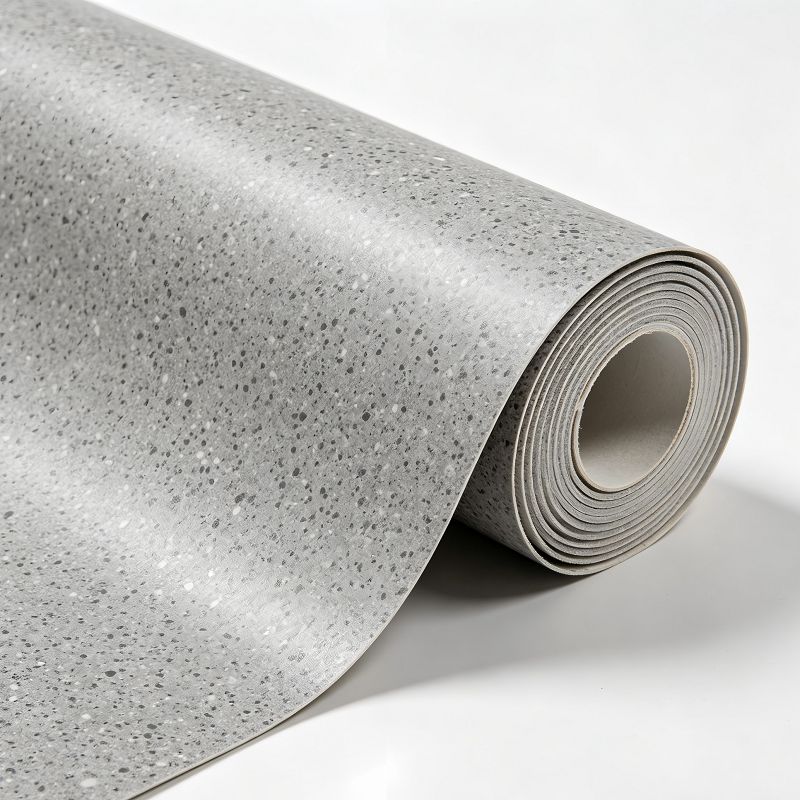
A key point to note here is that ESD flooring isn’t just a single product. There are different types tailored to different needs, which is why it’s important to work with a supplier that understands the nuances of each. For example, there’s modular ESD tile, which is perfect for retrofitting existing spaces—you can lay it in sections without having to tear out the entire old floor, making it a more cost-effective option for smaller labs or spaces with limited downtime during installation. Then there’s continuous ESD vinyl or sheet flooring, which is seamless, easier to clean in high-contamination areas like cleanrooms, and ideal for spaces with heavy rolling equipment (like material transport carts) that would wear down grout lines in tile over time. For ultra-heavy industrial settings, we also offer poured epoxy ESD flooring, which is seamless, extremely durable, and can be formulated to meet strict cleanroom standards for industries like aerospace, where even tiny particles can ruin components.
A common misconception we hear all the time is that ESD flooring is the same as anti-static flooring. That’s not true, and it’s an important distinction. Anti-static flooring works by resisting the buildup of static charge, slowing it down to reduce the chance of a discharge, but it doesn’t actually dissipate charge quickly. ESD flooring, on the other hand, is rated to conduct static charge safely and rapidly (usually within two seconds) to grounding points, so charge doesn’t build up enough to cause a spark. That’s a critical difference for high-stakes operations where even the slightest charge buildup is a risk.
So, who needs ESD flooring? If you work with any of the following, it’s not just a nice-to-have—it’s a required part of compliance and risk management: semiconductor and electronics manufacturing and assembly, data centers and server rooms, pharmaceutical and biotech research and production, aerospace and defense component manufacturing, medical device production, and even some automotive manufacturing facilities that work with sensitive electronics in modern car parts. We’ve had clients come to us after a major ESD event destroyed a batch of $50,000 worth of microchips, and they realized their old office flooring was doing nothing to protect their work. In other cases, clients are looking to update their data center to meet industry standards, and ESD flooring is a key part of their power reliability plan.
But ESD flooring’s benefits go beyond just protecting expensive products. It’s also a safety feature. In facilities that handle flammable gases or volatile solvents, a single ESD spark can cause an explosion or fire. ESD flooring eliminates that risk by preventing sparks from forming, which protects workers and facility infrastructure as much as it protects products. Plus, modern ESD flooring is designed to be comfortable for long shifts, slip-resistant, and easy to sanitize, which adds to the overall functionality of the space, not just its ESD protection.
Now, if you’re thinking about investing in ESD flooring, there are a few key things to keep in mind to make sure you get the right product for your needs. First, check the ratings. ESD flooring is tested to meet specific industry standards, like ANSI/ESD S7.1, which sets requirements for the electrical properties of flooring used in ESD protected areas (EPAs). A reputable supplier will be able to provide test data for any product, so you know it meets those standards, not just a generic “static-dissipative” claim.
Next, think about your specific environment. How heavy is foot traffic? Do you have rolling carts or machinery that will be moving on the floor? What kind of cleaning products do you use? For example, if you work in a Class 100 cleanroom where even a single particle is a problem, you’ll want a seamless sheet or epoxy ESD flooring that doesn’t have gaps where particles can get trapped. If you have a smaller space and need to install quickly with minimal disruption, modular tile is probably the better choice.
Another important point is that ESD flooring only works if it’s properly grounded. That’s why partnering with a supplier that offers not just the flooring, but also grounding systems and installation support is so important. A floor is only as good as its connection to the building’s ground, and a bad installation can render even the highest-quality ESD flooring useless. We work with every client to assess their space, recommend the right flooring type, and guide them through the grounding and installation process to make sure everything is set up correctly from day one.
We’ve worked with a wide range of clients over the years, from small startup biotech labs to large international semiconductor manufacturers, and one thing we’ve learned is that there’s no one-size-fits-all answer. For example, a startup might need a budget-friendly modular tile for their 1,000-square-foot lab, while a data center needs heavy-duty sheet ESD flooring that can support 24/7 server traffic. We take the time to listen to each client’s specific needs, challenges, and budget, so we can recommend a solution that works for them, not just sell them whatever product we have in stock.
If you’re still not sure if ESD flooring is right for your space, don’t hesitate to reach out. We offer free, no-obligation assessments to evaluate your current flooring, your facility’s ESD risks, and recommend the best path forward. Whether you’re dealing with a recent ESD event that cost you time and money, planning for a new build, or looking to upgrade an existing facility to meet new industry standards, we’re here to help.
Electrostatic discharge might be invisible, but its impact is anything but. Investing in the right ESD flooring isn’t just an expense—it’s an investment in protecting your products, your workers, and your business from costly, avoidable damage. If you’re ready to learn more about how ESD flooring can work for your space, connect with us to discuss your project details, and we’ll walk you through every step of the process.
Dance Flooring References
- ANSI/ESD S7.1-2017, Electrostatic Discharge – Standard Method for the Field Evaluation of Resistive Properties of Materials
- ESD Association. (2020). ESD in the Workplace: A Guide for Facility Managers
- Semiconductor Industry Association. (2021). Environmental, Health, and Safety Guidelines for Semiconductor Manufacturing Facilities
- National Fire Protection Association. (2019). NFPA 77: Recommended Practice on Static Electricity
- International Organization for Standardization. (2018). ISO 14644-1: Cleanrooms and Associated Controlled Environments – Part 1: Classification of Air Cleanliness
Qingdao Xinkailin Environmental Protection Materials Co., Ltd.
As one of the most professional esd flooring manufacturers and suppliers in China, we’re featured by quality products and good price. Please rest assured to buy premium esd flooring for sale here from our factory. Also, custom service is available.
Address: Room 618, Hedaxinduhui, No. 196 Tailiu Road, Shibei District, Qingdao City
E-mail: laura@xklflooring.com
WebSite: https://www.xklflooring.com/
