Hey there! As a supplier of clean room materials, I often get asked, "What the heck is the definition of clean room material?" Well, let me break it down for you in plain and simple terms. Clean Room Material
First off, a clean room is a controlled environment where the concentration of airborne particles, temperature, humidity, and pressure are carefully regulated. Clean room materials are the stuff that’s used to build, maintain, and operate these clean rooms. They’re designed to minimize the generation, retention, and release of particles and contaminants.
Let’s start with the basic types of clean room materials. There are construction materials, like wall panels, ceiling tiles, and flooring. These materials need to be smooth, non – porous, and easy to clean. For example, stainless steel is a popular choice for clean room walls and equipment because it’s durable, resistant to corrosion, and can be easily sanitized.
Wall panels in a clean room are usually made of materials like fiberglass – reinforced plastic (FRP) or painted metal. FRP is great because it’s lightweight, strong, and has a smooth surface that doesn’t trap dust. Painted metal panels are also common, as long as the paint is of high quality and won’t flake or peel.
Ceiling tiles are another important part of the clean room. They need to be made of materials that won’t shed particles. Some ceiling tiles are made of perforated metal, which allows for proper air circulation while keeping out contaminants. Others are made of special plastics that are resistant to chemicals and easy to clean.
Flooring in a clean room is crucial. It has to be anti – static to prevent the buildup of static electricity, which can attract dust and damage sensitive electronic components. Vinyl flooring is a popular option because it’s easy to clean, resistant to chemicals, and can be installed in a seamless manner. Epoxy flooring is also used, especially in areas where there’s a need for high – durability and chemical resistance.
Then there are the consumable clean room materials. These are the things that are used up during the normal operation of the clean room. Items like clean room wipes, gloves, masks, and gowns are essential.
Clean room wipes are made of non – shedding materials, like polyester or microfiber. They’re used to clean surfaces in the clean room, removing dust, dirt, and other contaminants. The wipes are usually pre – saturated with a cleaning solution to make the cleaning process more effective.
Gloves are a must – have in a clean room. They come in different materials, such as latex, nitrile, and vinyl. Latex gloves are comfortable and have good tactile sensitivity, but some people are allergic to them. Nitrile gloves are a great alternative, as they’re resistant to chemicals and punctures. Vinyl gloves are more affordable and are suitable for less critical applications.
Masks and gowns are worn to prevent the release of particles from the human body. Masks are designed to filter out airborne particles, while gowns are made of materials that don’t shed fibers. They’re usually disposable to ensure maximum cleanliness.
Another important category of clean room materials is the equipment and furniture. Clean room cabinets, workbenches, and storage units need to be made of materials that are easy to clean and won’t generate particles. Stainless steel is a common choice for these items, as it’s strong, durable, and can be easily sanitized.
Air filtration systems are also a key part of a clean room. They use high – efficiency particulate air (HEPA) filters or ultra – low penetration air (ULPA) filters to remove particles from the air. These filters are made of special materials, like fiberglass, that can trap even the smallest particles.
Now, why are these clean room materials so important? Well, in industries like semiconductor manufacturing, pharmaceuticals, and biotechnology, even the tiniest particle can cause big problems. In semiconductor manufacturing, a single particle can ruin a microchip, leading to costly production losses. In the pharmaceutical industry, contaminants can affect the quality and safety of drugs.
As a supplier of clean room materials, I know how crucial it is to provide high – quality products. That’s why we source our materials from the best manufacturers and test them thoroughly to make sure they meet the strictest clean room standards.
We also offer a wide range of products to meet the diverse needs of our customers. Whether you’re building a new clean room or looking to upgrade an existing one, we’ve got you covered. We can help you choose the right materials based on your specific requirements, such as the level of cleanliness you need, the type of industry you’re in, and your budget.
If you’re in the market for clean room materials, don’t hesitate to reach out. We’re here to answer all your questions and provide you with the best solutions. Whether you need a small order of clean room wipes or a complete set of construction materials for a large – scale clean room project, we can help.
So, if you’re ready to take your clean room to the next level, get in touch with us. We’re eager to work with you and help you create a clean and efficient environment for your business.
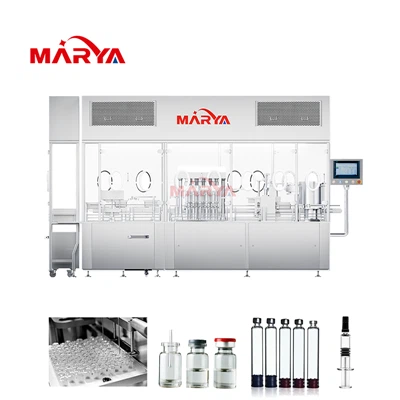
Prefilled Syringe Filling Line References:
- "Cleanroom Technology Handbook" by Andrew S. Kostiuk
- "Handbook of Cleanroom Design, Construction, and Operation" by Robert P. Donovan
Shanghai Marya Pharmaceutical Engineering and Project Co., Ltd.
We’re well-known as one of the leading clean room material manufacturers and suppliers in China. Please feel free to buy high quality clean room material made in China here from our factory. For more information, contact us now.
Address: China(Shanghai) Pilot Free Trade Zone, North Fute Road, No. 211, 302 Parts, Room 368.
E-mail: contact@marya.com.cn
WebSite: https://www.marya-pharmaceutical-solution.com/
